What If You Do Not Respond to the Hepatitis B Vaccine?
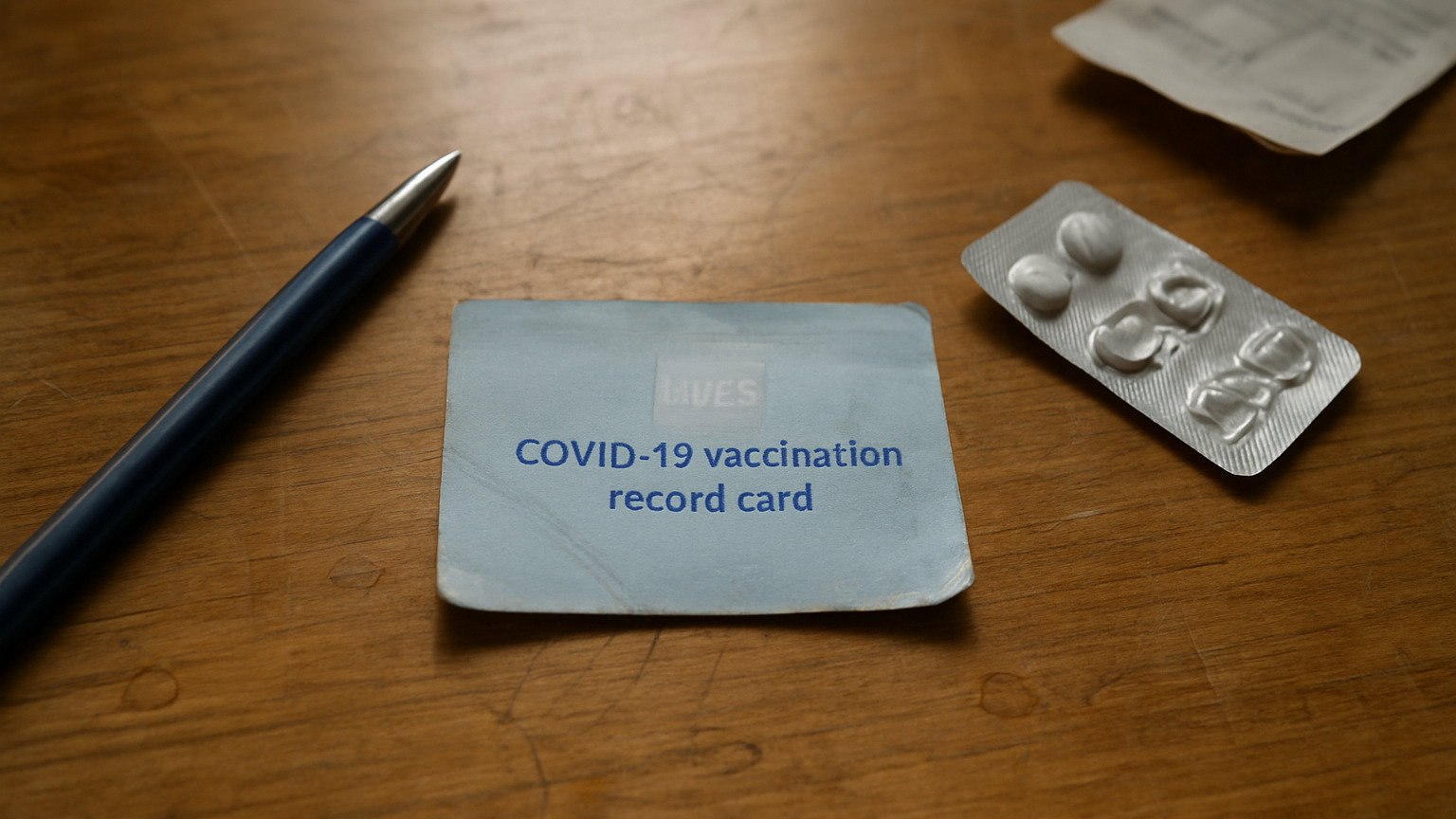
Around one in ten people does not develop protective antibodies after a course. Here is how it is identified and what happens next.
By Bareback Guide
17 Feb 2026

Sexual health for gay, bi and trans people is not a separate subject to health generally, but it does come with a specific set of infections, a specific set of vaccines and a specific history of being handled badly by clinicians. These guides cover what the common infections actually do, what testing involves and how often it is worth doing, which vaccinations you are entitled to, and what living with HIV looks like now rather than in 1995. Nothing here assumes you use condoms, and nothing here assumes you do not.
Around one in ten people does not develop protective antibodies after a course. Here is how it is identified and what happens next.
Well tolerated by most people, with sleep and mood effects in a minority that are worth reporting rather than enduring.
Developed for people whose virus had defeated everything else, and it did what it was designed to do.
Mild for most people, dominated by one uncommon but serious reaction that genetic screening has largely designed out.
Among the fewest of any antiretroviral, which is why it is frequently chosen for people who have not tolerated something else.
Most genital lumps are harmless anatomy or blocked follicles. A few are infections that need treating. Here is how to work out which you have.
Walk-in provision has narrowed but has not disappeared, and several things can still be accessed the same day. Here is what and where.
Once a day, with or without food, keeping it away from antacids and mineral supplements. That last rule is the one that matters.
Both can test, but they differ in what they screen, how fast they treat and what ends up in your records. Here is how to choose.
The research shows a small association rather than an inevitability, and the factors that matter are ones you can influence.
Injectable treatment given every two months is available on the NHS to eligible people. Here is who qualifies and what the trade-offs are.
Once or twice daily, with or without food, and with particular attention to how you feel in the first six weeks.