Why Do People Underestimate Their Own Risk?
Familiarity, absent symptoms and a sense of knowing your partners all make risk feel lower than it is. The mechanisms are predictable.
By Bareback Guide
12 Nov 2025

People have condomless sex. Telling them not to has never worked especially well, and pretending otherwise mostly means they get their information from somewhere less reliable than a health site. These guides deal with barebacking as it is actually practised: what the risk genuinely is per act and how much it varies by role, how to have a useful conversation about status and testing rather than an awkward one, what changes at a group event or on a weekend where drugs are involved, and how to look after yourself afterwards. The aim is fewer infections and fewer injuries, not fewer opinions.
Familiarity, absent symptoms and a sense of knowing your partners all make risk feel lower than it is. The mechanisms are predictable.
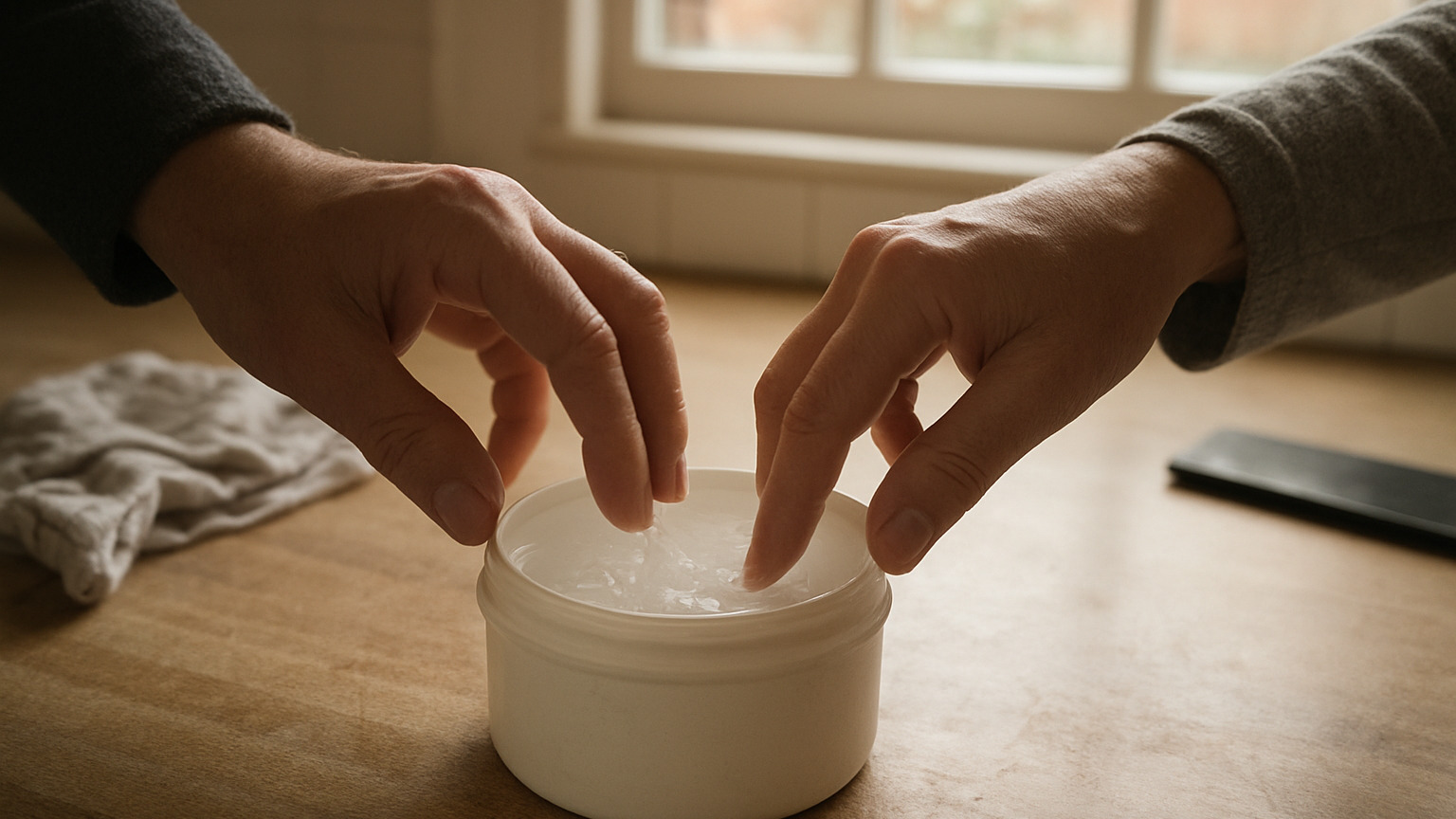
A communal tub that several hands dip into moves small amounts of blood between people, and hepatitis C transmits at very low doses.
Unrousable, slow or noisy breathing, vomiting while unconscious, seizing or blue lips. Any one of these means an ambulance now.
Say what it is, say they should test, and say when you can have sex again. Three sentences and the practical part is done.
Messages before meeting are the easiest place to establish what is happening, and the hardest to be talked out of a position.
Water on the outside is enough. Soap, wipes and anything internal make things worse rather than better.
HIV rates have fallen substantially while bacterial infections have not. Both facts are real and they explain the current picture.
Venues have staff, rules and supplies. Private parties have none of that and depend entirely on whoever is hosting.
The gap between the dose that works and the dose that stops you breathing is unusually small, and there is no antidote.
There is no general legal duty to disclose anything. What matters practically is a narrower and more useful list.
Agreement by choice, with the freedom and capacity to make it. Each of those three parts does real work.
The practical and emotional work of ending a session well. It borrows from kink and applies considerably more widely.