Most services in this area work on harm reduction first, which means they will help you use more safely if that is what you want. The belief that you must intend to stop keeps a great many people away from help that is free and confidential.
Antidote at London Friend
The UK's LGBT-specific drug and alcohol service, offering one-to-one support, groups and advice. Used to this population, this scene and these substances, which general services are not always comfortable with. Some support is available remotely.
Controlling Chemsex at 56 Dean Street
Support attached to a sexual health service, so drugs and sexual health are addressed in the same place. Particularly useful because the two are entangled for most people who use in this context.
Local drug and alcohol services
Available everywhere, free, and not restricted to any substance or population. They can arrange medically supervised detox, which matters enormously for GHB dependence, where stopping abruptly can cause seizures and can be fatal. Find them through your council website or through FRANK.
FRANK
National information and a helpline covering all drugs, with a service finder for local support. A reasonable starting point if you do not know what exists near you.
Needle exchanges
Provide sterile equipment, sharps bins, testing and referral without appointment and without judgement. They see people using steroids as well as anything else, and they are a low-pressure route into wider support for people not ready for anything else.
Peer groups
Crystal Meth Anonymous and Narcotics Anonymous operate in many areas, with some meetings aimed specifically at gay and bisexual men. SMART Recovery offers a non-twelve-step alternative. Several run online, which matters outside cities.
Sexual health clinics
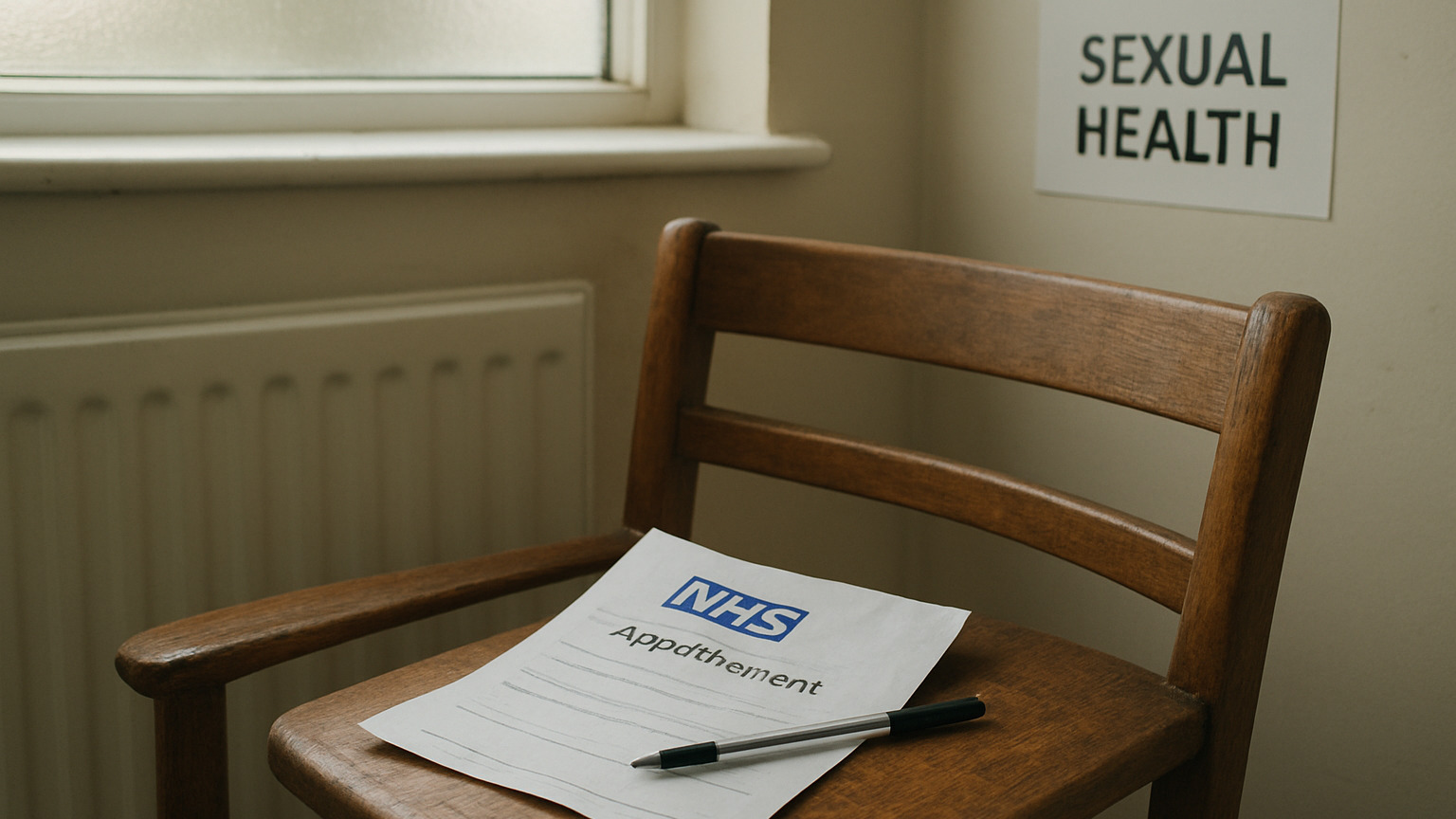
Ask about drug use as part of a routine history precisely so this conversation can happen. Many have chemsex support attached or a direct referral route, and raising it at a routine appointment is the easiest way in.
Release
Free legal advice on drugs, covering possession, supply and police powers. Useful where the concern is legal rather than clinical, and independent of any treatment service.
Alcohol specifically
Drinkline and local alcohol services cover anyone, and Alcoholics Anonymous and SMART Recovery both run meetings including some aimed at this community. Alcohol is involved in more harm in this setting than any illegal drug, largely because nobody counts it.
What about someone else's use?
Services will advise family, partners and friends on how to support someone, and some run groups for people affected by another person's use. You do not need that person's involvement to get advice.
What about hepatitis testing?
Hepatitis B and C should be included if you inject, fist or share equipment. Hepatitis C is curable with a course of tablets, and needle exchanges and sexual health clinics both test for it.
Is it confidential?
Yes. Drug service records are confidential like any health record, nothing goes to your GP without consent, and nothing is reported to police, employers or immigration.
What about drug checking?
Some services offer testing that identifies what a substance actually is, which matters given how often things are mis-sold. Availability in the UK is limited and worth asking local drug services about.
If you use G regularly, do not stop abruptly. Withdrawal can be fatal and needs a supervised detox, which local drug services and the specialist services above can arrange.
What about steroids?
Needle exchanges see people using steroids routinely and will provide equipment and advice without judgement. Injecting risks are the same regardless of what is being injected, and hepatitis screening applies equally.
What about getting help outside a city?
Local drug services exist everywhere, and several specialist organisations offer remote support by phone or video. Specialist LGBT provision is concentrated in larger cities, which is a reason to phone rather than to assume nothing applies.
Will it affect your job?
Nothing is reported to an employer. A small number of professions have their own regulatory duties, which is worth taking specific advice on rather than assuming either way.