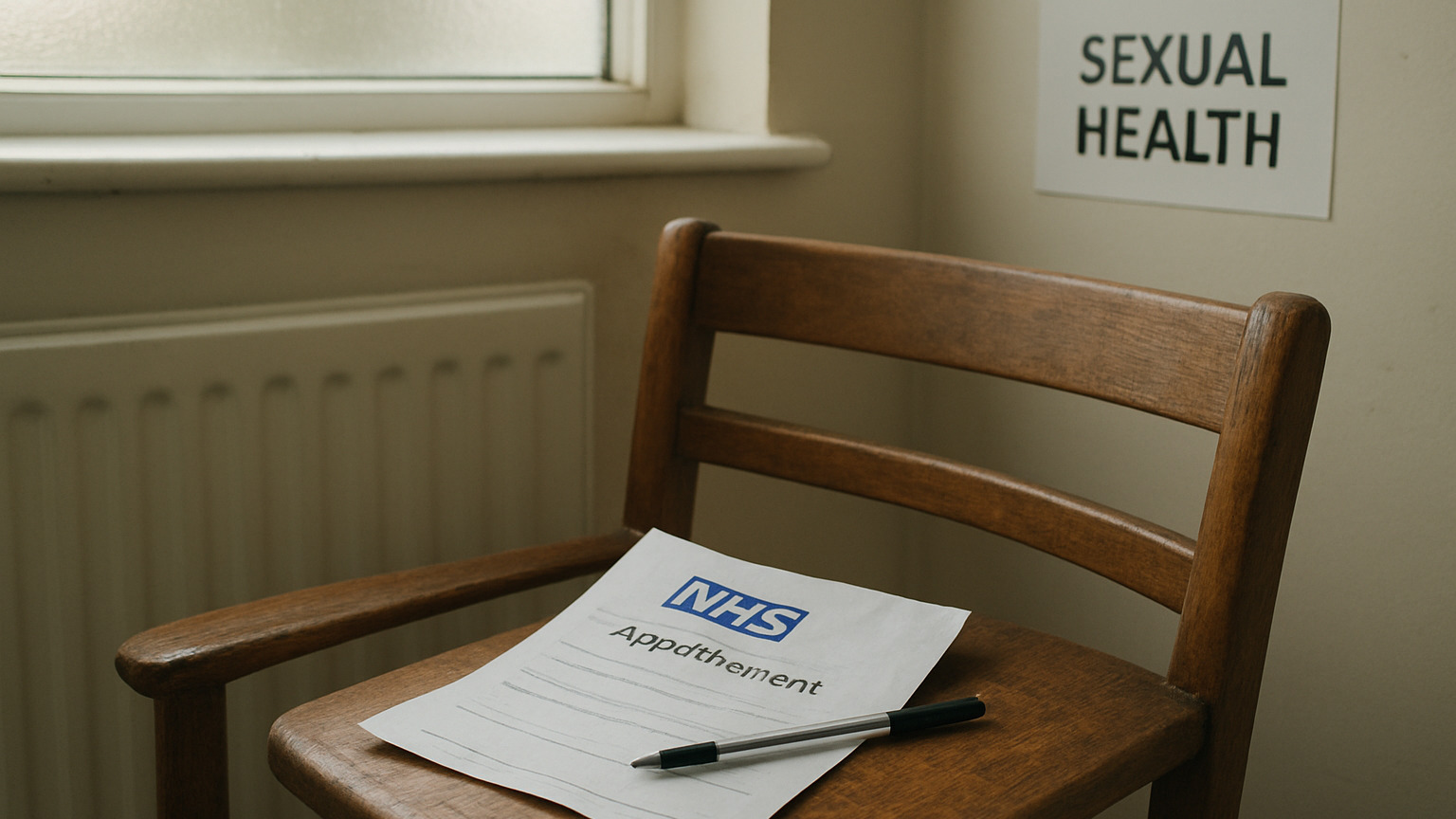
Isolation among older LGBT people is a recognised problem with structural causes: smaller networks, fewer children, a scene organised around the young, and for many a generation of friends lost in the 1980s and 1990s.
Opening Doors
Works specifically with older LGBT people, running social groups, befriending and activities. The befriending in particular addresses the thing that matters most, which is regular contact rather than occasional events.
Age UK
National and local services covering benefits, care, housing and social contact. Not LGBT-specific and increasingly aware of it, and local branches vary in how comfortable they are with it. Worth asking directly.
LGBT Foundation and local centres
Many run older people's groups, and local LGBT centres hold listings of what exists regionally. Regional groups frequently cover wider areas than their names suggest, which matters where travel is a factor.
What about care homes and home care?
A genuine concern, and one many people raise: having to go back into the closet in later life, or being cared for by someone hostile. Training programmes for care providers exist, and some services are better than others. Asking directly about a provider's approach is reasonable and increasingly expected.
What about long-term survivors?
People diagnosed with HIV when it was expected to be fatal have lived through a prognosis that reversed, which brings specific difficulties: plans not made, pensions not arranged, survivor guilt, and a future never imagined. Terrence Higgins Trust and Positively UK both run support for this group.
What about ageing with HIV?
People living with HIV now reach older age routinely, with the usual conditions of later life arriving alongside long-term treatment. Interactions between antiretrovirals and other medication matter more as prescriptions accumulate, and a clinic pharmacist is the person to ask.
What about grief?
Many older men carry losses that were never properly mourned, because relationships were unrecognised and the deaths carried stigma. Cruse Bereavement Support operates nationally, and peer support with people who were there does something general services cannot.
Does sexual health still apply?
Entirely, and testing rates among older men are lower than they should be. Nothing on offer is age-limited except HPV vaccination. Erectile difficulties, screening and PrEP are all relevant at any age, and a great many later diagnoses occur in people who assumed they had aged out of it.
What about mental health?
Depression and isolation are closely linked and both are treatable. Pink Therapy holds a directory of therapists, and Samaritans is free at any hour on 116 123 for anyone who wants to talk rather than be treated.
What about being out in later life?
People come out in their sixties, seventies and eighties, and organisations working with older LGBT people exist partly because of it. The consistent report is that the remaining years are better for it.
What about money and benefits?
Citizens Advice, Age UK and Turn2us can all advise, and a considerable amount of available support goes unclaimed. Attendance allowance and pension credit in particular are widely under-claimed.
What about digital exclusion and services moving online?
A genuine barrier where clinic booking and triage have moved to web forms. Services should provide an alternative route, and asking for one is reasonable rather than awkward.
What about loneliness specifically?
Strongly associated with poor physical and mental health, which makes it a health matter rather than a personal shortcoming. Befriending schemes exist precisely for it and are free.
What helps most?
Regular contact rather than occasional events, which is what befriending and group activities provide. Volunteering also works in both directions and is frequently overlooked as an option later in life.
What about technology?
A real barrier where services have moved online, including clinic booking through web forms. Services should offer an alternative route, and asking for one is reasonable. Local centres frequently run help with this.
What about power of attorney and wills?
Worth sorting out, particularly where a partner is not a spouse or civil partner, since next of kin has no automatic legal standing. Citizens Advice and Age UK can both explain the options.