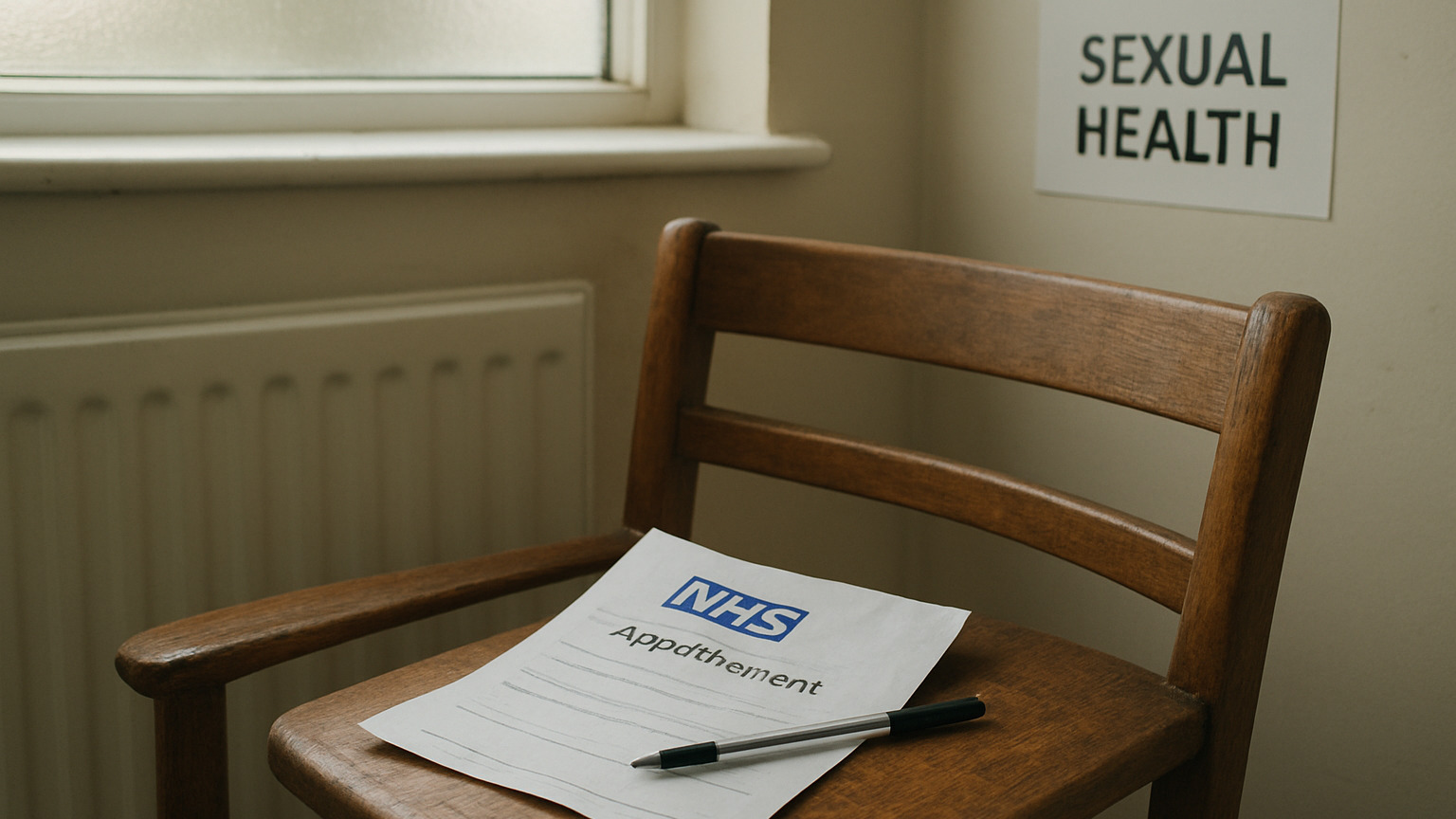
Sexual health services operate under stricter confidentiality rules than the rest of the NHS, for the straightforward reason that people do not attend otherwise. The protection is specific rather than a matter of professional courtesy.
What does that mean in practice?
Records are held separately from your main NHS record. Nothing is sent to your GP without your explicit consent. A clinician looking at your general record will not see that you attended, what for, or what was found.
Who else is told?
Nobody. Not employers, not insurers, not immigration, not the police, not your family, not a partner. This applies to attendance, to results and to anything discussed, including drug use and sex work.
What about receptionists and administrators?
Bound by the same rules as clinical staff, and services are generally designed to reduce what has to be said at a desk. Many use self-check-in screens. If you need to say something sensitive, asking to do it privately is an ordinary request.
Should you consent to your GP being told?
A genuine decision with arguments on both sides. Telling them helps with drug interactions, coordinated care and monitoring, particularly for HIV or long-term treatment. Not telling them keeps it out of a record other clinicians see. It is your choice each time and you can change your mind.
Are there exceptions?
Narrow ones, which apply across all healthcare. Where there is a serious risk of harm to a child or a vulnerable adult, safeguarding duties apply. Where a court orders disclosure. Where there is a risk of serious harm to someone else. These are rare and staff will normally tell you if they arise.
What about under-eighteens?
Young people can be seen confidentially, and services have a duty to assess whether someone is at risk. Under-thirteens are treated as unable to consent, which triggers safeguarding. Between thirteen and sixteen, an assessment is made and confidentiality is usually maintained unless there is a concern about exploitation or coercion.
What about partner notification?
Done anonymously. A health adviser contacts partners to say they may have been exposed to a specific infection, without naming you or giving details that identify you. It is voluntary and you decide whether to do it yourself, have the clinic do it, or not at all.
Is HIV treated differently?
It has long carried additional statutory protection on top of general confidentiality, reflecting how much stigma affects whether people test. HIV treatment is also free to everyone in the UK regardless of immigration status, and no data is passed to immigration authorities.
What about text messages?
Ask what will be sent and to which number. Services usually send neutral wording, and you can ask for no message at all, for a phone call instead, or for them to use a particular number. This matters if someone else has access to your phone.
What if confidentiality is breached?
A serious matter. Complain to the service and to the trust's Patient Advice and Liaison Service, and consider the Information Commissioner's Office, since a disclosure by an organisation handling your data is also a data protection issue.
What about shared electronic systems?
Sexual health services generally run separate clinical systems for this reason. If you are concerned about what a particular hospital or GP system can see, asking the service directly is reasonable and they will explain how their records work.
Yes, by making a subject access request to the service. You are entitled to a copy of what is held about you.
What about being seen going in?
A common worry and a smaller risk than it feels. Many services sit inside general hospitals or health centres with several departments, so attendance says nothing in itself. Postal kits remove the question entirely for routine screening.
Does it affect insurance?
No. UK insurers agreed some years ago not to ask about negative HIV tests, so testing never has to be declared and does not affect applications. Existing diagnoses must be answered honestly on any application that asks, which is a contractual matter rather than anything to do with the clinic.