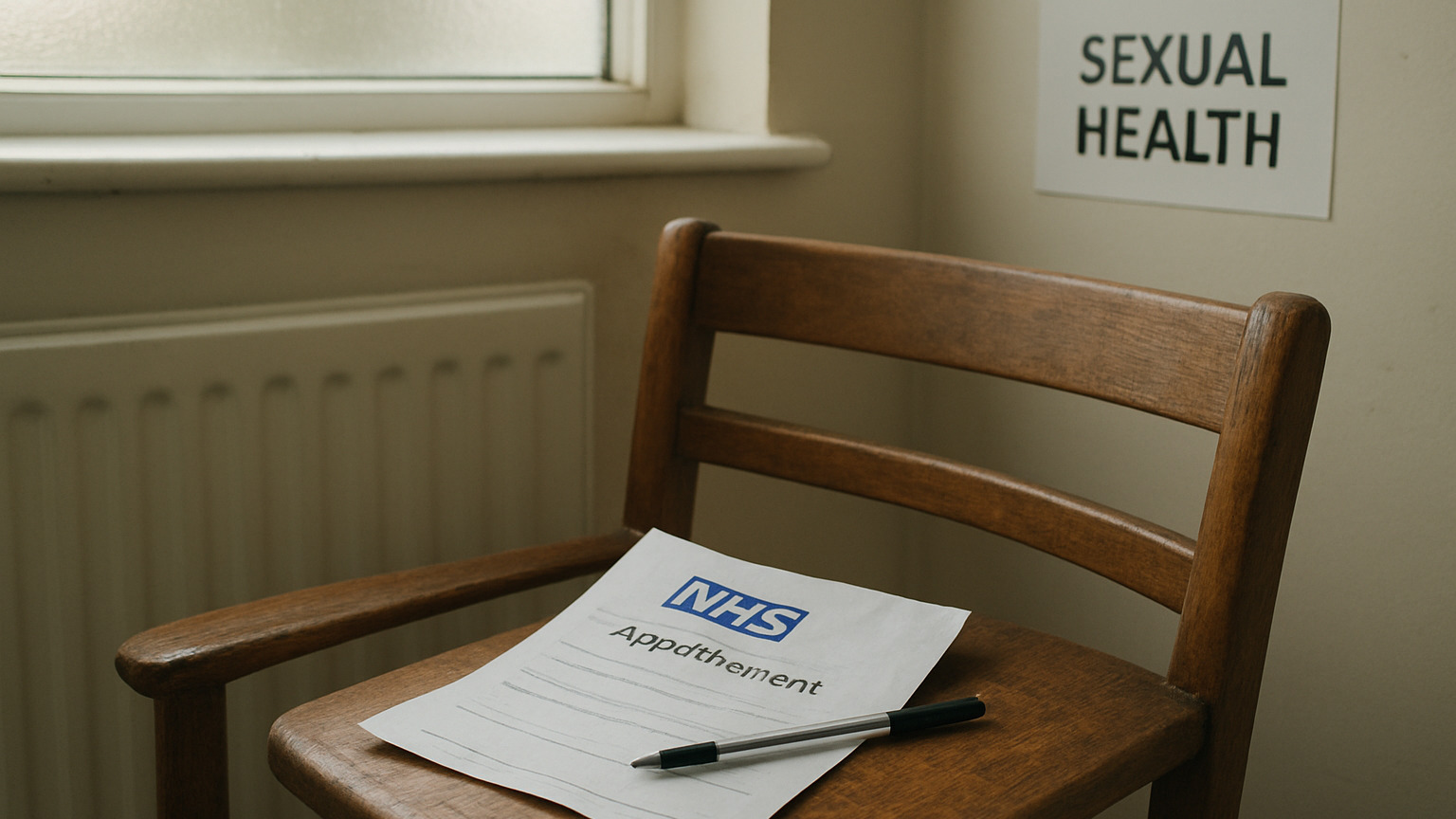
The picture has changed substantially. Open drop-in clinics were once standard and are now the exception, with most services operating some form of triage first. That is worth knowing before turning up somewhere and finding the doors shut.
How do most services work now?
You complete an online form or ring, describe your situation, and are directed accordingly: a booked appointment, a same-day slot, a postal kit, or advice. This sorts people by need, which means someone with symptoms gets seen faster than someone wanting routine screening.
Does walk-in still exist?
In some places, often on specific days or for specific groups. Large city services are more likely to run them than small ones. Check the service's website or ring before travelling, since sessions change and a wasted journey is dispiriting enough to stop people trying again.
How do you get seen quickly?
Say you have symptoms if you have them, and say what they are. Symptomatic patients are prioritised over asymptomatic screening in almost every service. Also say if you have been named as a contact of someone with an infection, which is another priority route.
What about PEP?
A genuine emergency and treated as one. Ring the clinic and say post-exposure prophylaxis and how many hours have passed. If they are closed, go to A&E. The seventy-two hour window does not pause for a triage queue and no service should make you wait through one.
What if you have no symptoms?
You will often be offered a free postal kit, which is a reasonable outcome rather than a brush-off. Kits cover urine, throat and rectal samples plus HIV and syphilis bloods, and they remove the journey entirely. Check the kit includes every site you use, since some default to urine and bloods only.
How long are waits for a booked appointment?
Varies enormously by area, from days to several weeks. Services are open access across the UK, so if your local one is booked up, a neighbouring service may see you sooner and does not need you to be registered locally.
What about young people?
Many services run dedicated sessions for under twenty-fives, and Brook provides services for that age group. These are frequently easier to get into than general clinics.
What should you have ready for triage?
When the exposure was, what symptoms you have and when they started, when you last tested, which sites you use for sex, and any medication you take. Vague answers produce a lower priority than the situation warrants.
Can you just turn up anyway?
You can attend any sexual health service in the UK without a referral, and turning up where there is no drop-in session usually means being asked to book. It is worth a call first, since being told on the phone is less annoying than being told at a desk.
Can you book somewhere outside your area?
For in-person appointments, yes, since services are open access and do not require local registration. Postal kits are usually restricted to residents of the commissioning area, which is the one place your postcode genuinely limits you.
What about evenings and weekends?
Varies enormously. Larger city services more often run evening sessions, and weekend provision is rare outside major centres. Worth checking, since an evening slot is the difference between attending and not for anyone working.
Order a postal kit for screening, and for anything urgent use A&E or NHS 111. If you are repeatedly unable to access a service, that is worth raising with the provider, since commissioners monitor access.
What about turning up near closing time?
Drop-in sessions frequently stop admitting people well before the doors shut, sometimes an hour or more, because appointments take time. Check the last admission time rather than the closing time.
Does being a contact change anything?
Considerably. Say at booking or triage that you have been notified as a contact of a specific infection. It moves you up the queue and often means treatment is given before results come back.
What about repeat attendances?
Nobody counts. Attending every three months is the recommended interval for anyone having condomless sex with new partners, and it is what services expect rather than something remarkable.