Coming out in your forties, fifties or later is more common than the visible picture suggests, and the difficulties differ from those of someone at twenty rather than being lesser. There is usually considerably more already built that has to be navigated.
What makes it different?
Existing commitments, mainly. A marriage, children, a business, a religious community, a reputation in a small place. Coming out at twenty-two involves telling people; coming out at fifty-two frequently involves rearranging a life, and the stakes are correspondingly higher.
What about the sense of lost time?
Frequently the heaviest part and rarely discussed. Grief about decades spent otherwise is a real reaction rather than self-indulgence, and it usually needs saying out loud to someone before it eases. It also tends to coexist with relief, which is disorienting.
What about inexperience?
Common and manageable. A great many men coming out later feel they are decades behind, which is true in one sense and irrelevant in another, since nobody is examining you. Being straightforward about it tends to be received far better than performing familiarity.
What should you sort out practically?
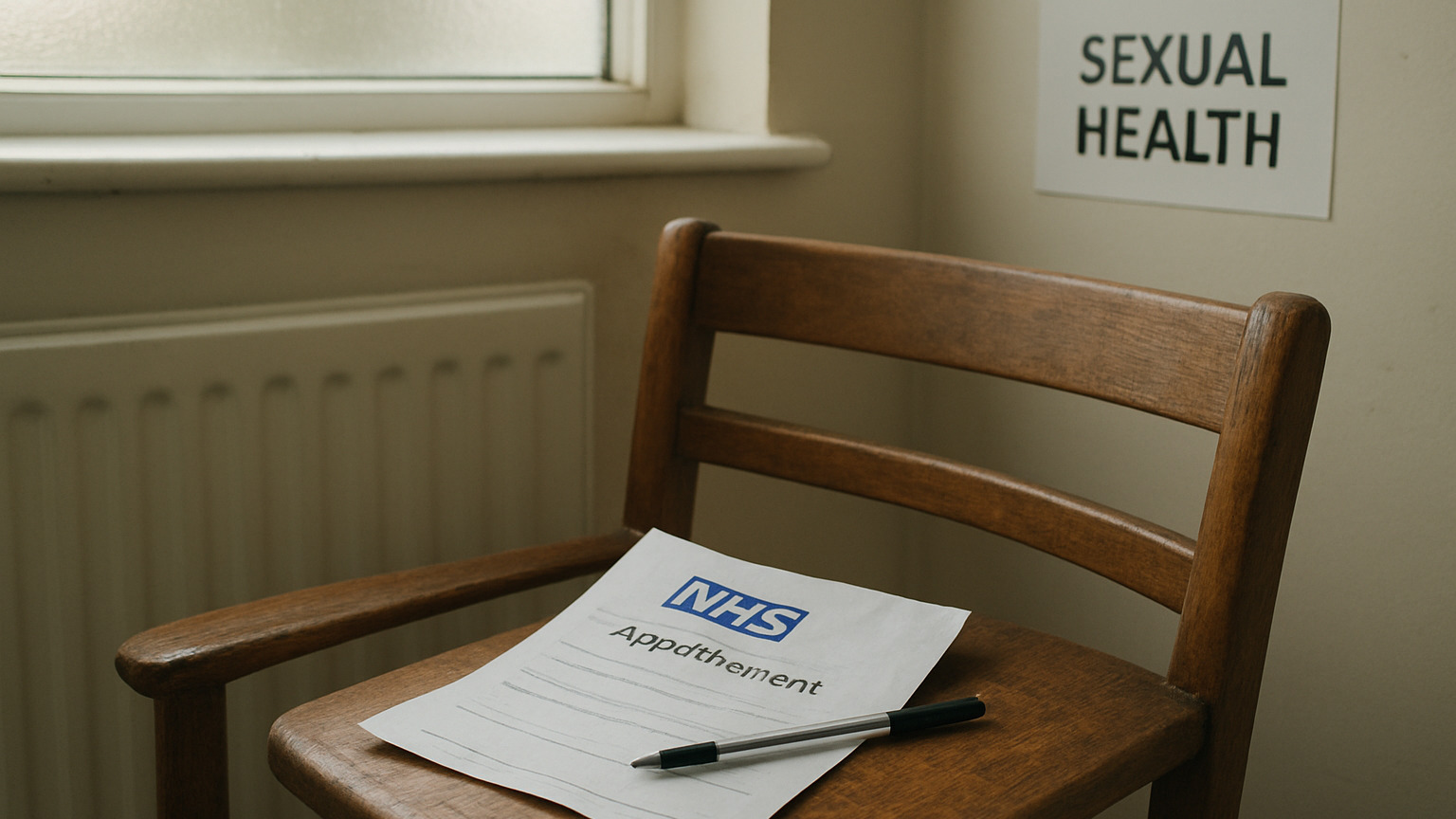
Sexual health, early. A full screen covering every site you use, a conversation about PrEP, and the vaccinations available free at sexual health clinics for men who have sex with men: hepatitis A and B, HPV up to forty-five, and mpox. One appointment covers most of it, and information from twenty years ago is likely to be out of date.
Where do you meet people?
Apps are the obvious route and frequently the least rewarding for anyone new. Social groups, LGBT sports clubs, choirs, walking groups and volunteering all build familiarity over weeks and remove most of the rejection mechanism. Several organisations run groups specifically for men coming out later.
What about a marriage or partner?
Its own situation and worth taking slowly. Support exists for mixed-orientation relationships and for spouses, and there is no single right outcome; some relationships end, some change and some continue. Talking to someone before the conversation, rather than after, is worth doing.
What about children?
Generally handled considerably better than parents fear, particularly with younger children, who tend to take their cue from how it is presented. FFLAG supports families of LGBT people and can help with how to approach it.
Where can you get support?
Switchboard offers a listening service and can point you towards local groups. Local LGBT centres frequently run groups for people who are newly out at any age. Terrence Higgins Trust holds information on services, and Pink Therapy's directory helps for anyone wanting therapy alongside it.
Does it have to be all at once?
No, and it rarely is. Telling one person and nobody else for a year is a legitimate position. The idea of a single announcement is mostly a narrative convention; in practice it is a long series of individual decisions.
What about the mental health side?
Periods of low mood, anxiety and identity confusion are common and generally ease. If it persists, is stopping you functioning, or comes with thoughts of harming yourself, that is worth treating rather than waiting out. Samaritans can be called free at any hour on 116 123.
What about dating for the first time?
Worth pacing. People frequently return by dating intensively for a fortnight and then stopping entirely, exhausted. Two or three conversations at a time is more sustainable, and meeting people through groups rather than apps suits most people new to this considerably better.
What do people say afterwards?
Most commonly that the anticipation was worse than the reality, and that the regret is about the waiting rather than the decision.
What about being out at work?
A separate decision from being out privately and one you control. Sexual orientation is a protected characteristic under the Equality Act, and there is no obligation to tell an employer anything. Plenty of people are out in one part of their life and not another for years.
Is it too late?
People come out in their sixties, seventies and eighties, and the organisations working with older LGBT people exist partly because of it. The consistent report is that the remaining years are better for it.