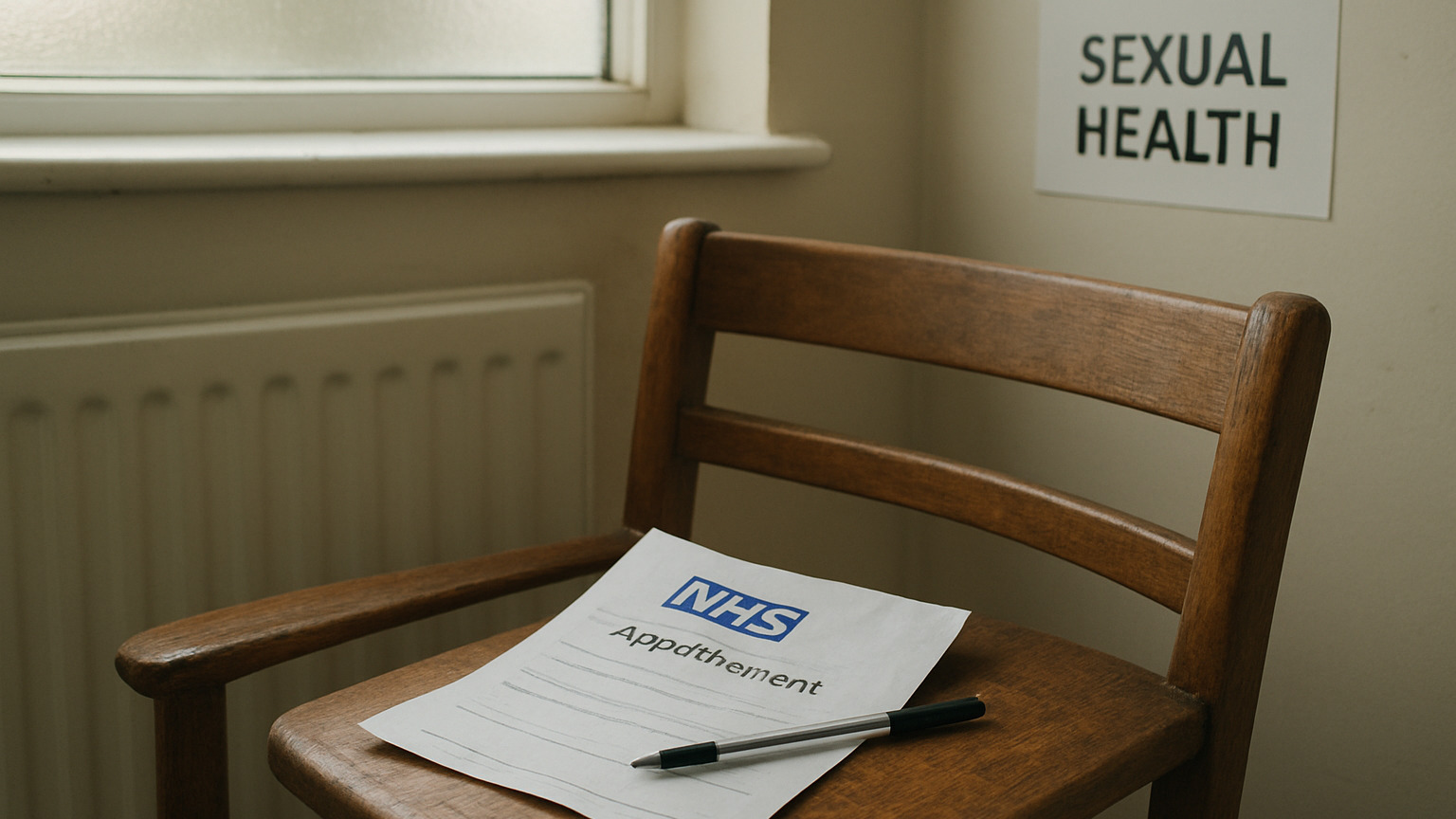
Anxiety around testing is extremely common and it produces a specific harm: it delays testing. The longer someone waits, the higher the stakes feel, and the higher the stakes feel the longer they wait.
Make it a routine rather than a decision
The single most effective change. Testing on a fixed schedule, every three months if you have condomless sex with new partners, removes the deliberation each time. A decision made once, in advance, is considerably easier than one made repeatedly while anxious.
Use postal kits
Free in most areas and they remove almost everything people find difficult: no building, no waiting room, no conversation, no being seen. For anyone who has been putting it off for months, this is the route with the fewest obstacles.
Shorten the wait
Book the test for a day when the results will arrive during a week you can manage, rather than before something important. Ask how long results take and whether they contact you either way, since ambiguous silence is worse than a message.
Plan for both outcomes
Knowing what you would actually do if something is positive removes a good deal of the dread, because the fear is usually of an unspecified catastrophe rather than of the real consequence. Most bacterial infections mean a single treatment. HIV means starting effective treatment with a life expectancy close to normal and, once suppressed, no onward sexual transmission.
Do not search symptoms while waiting
It reliably makes things worse and produces nothing useful, since the test is already in progress. This is the period where people find the most frightening possible explanation for an ordinary sensation.
Tell someone
Even just that you are waiting for a result. The waiting is considerably harder alone, and most people find that saying it out loud reduces the weight more than any reasoning does.
What if the anxiety is about a specific encounter?
Check whether anything has a time limit first: PEP within seventy-two hours, doxy-PEP within twenty-four if you are eligible. Once those are dealt with, put the test dates in your phone and treat it as scheduled rather than pending.
What if you cannot face attending?
Say so at the service, which is an ordinary thing to disclose. You can ask for a quieter time, to wait elsewhere, to write things down instead of saying them, or to speak to a health adviser who has more time. Bringing someone helps a great deal.
When is it more than nerves?
If you are testing far more often than the schedule suggests and the relief never lasts, that is health anxiety and it responds well to treatment. If you have avoided testing for years because of fear, that is the same anxiety pointed the other way and it matters more.
Where can you get help?
Self-referral to NHS Talking Therapies in England, a GP, or psychology attached to a sexual health service. A health adviser at the clinic can also help and is rarely offered unprompted.
Does it help to go with someone?
Considerably, and you can bring anyone. Many people who have avoided attending for years manage it the first time because somebody came with them.
What is worth remembering
Almost everyone finds the waiting worse than the result. The great majority of tests are negative, and the ones that are not are, in the overwhelming majority of cases, treatable within days.
Does knowing the numbers help?
For some people, considerably. The great majority of screens find nothing, most bacterial infections are cured with a single treatment, and HIV in the UK is now a manageable long-term condition. For others, statistics feed the checking rather than settling it, in which case the answer is fewer facts rather than more.
What about waiting with someone?
Arranging to be with somebody, or to speak to them, on the day results are due removes a good deal of the difficulty and takes almost no planning.