Postal testing removes most of what makes attending difficult, and two practical details determine how private it actually is: what arrives at your address and how the result reaches you.
What does the package look like?
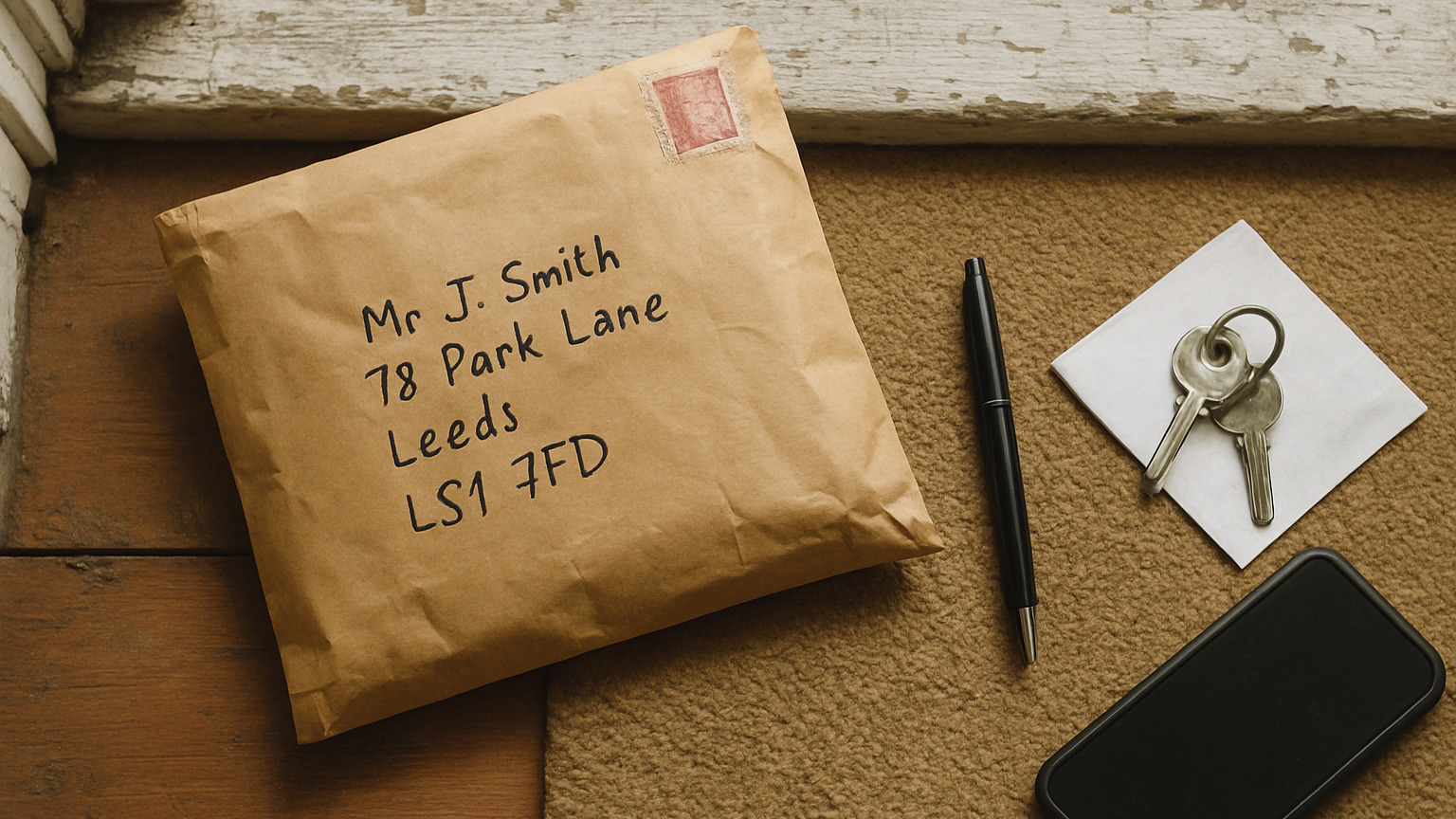
Plain, usually letterbox-sized, with no indication of its contents and no service name on the outside. The return envelope is similarly unmarked. Services design this deliberately, because a package that announces itself would defeat the purpose.
What if you share a house?
The main practical risk, and worth thinking about in advance. Options include timing the order for when you will be in, having it delivered to a different address, or asking whether collection from a clinic or community venue is available, which several services offer.
How do results arrive?
Usually a text, or a secure account you log into. Ask what the wording will be and which number they hold. If someone else has access to your phone, a secure account rather than a text is the better option, and asking for a call instead is also possible.
What does a text usually say?
Something neutral, frequently just that results are ready and to log in or call. Services vary, so it is worth checking rather than assuming. Some only contact you if something is positive, which makes silence ambiguous, so ask which applies.
Who holds your data?
The provider, under the same data protection rules as any health service, whether it is the NHS service directly or a company commissioned to run it. You can make a subject access request to see what is held. Anonymised data goes to national surveillance, which does not identify you.
Does it reach your GP?
Not without your consent, in the same way as a clinic. Where a positive result needs treatment, the service will contact you to arrange it rather than routing it through your practice.
What about commercial providers?
Several sell kits privately. They are charging for something available free in most areas, and they are bound by the same data protection law. Check who actually holds the samples and results, and check whether a free NHS kit is available where you live before paying.
What are the practical limits?
Kits cannot treat you, assess symptoms, or provide PEP, which has a seventy-two hour window and needs assessment in person. They are for routine screening with no symptoms, which is what most testing is.
What should you check when ordering?
That every site you use is included, since some kits default to urine and bloods only and require you to select throat and rectal swabs. A urine sample alone misses most gonorrhoea and chlamydia in anyone having anal or oral sex.
What about the samples themselves?
Do not douche before taking a rectal swab, since it washes away what the test is looking for. Post it back the same day. If you are unsure how to take something, ring the service rather than sending an inadequate sample, since a rejected sample means starting again.
What if you would rather not give an address at all?
Some services allow kits to be collected from a clinic, a pharmacy or a community venue, which removes the delivery question entirely. Availability varies by area and it is worth asking rather than assuming postal is the only option.
What about the return journey?
The return envelope is prepaid and unmarked, and posting it in any postbox is fine. Nothing on the outside indicates what it contains.
Is anyone notified that you ordered one?
No. Ordering a kit is not reported to a GP, an employer, an insurer or anyone else.
What if the kit does not arrive?
Ring the service. Packages occasionally go astray and a replacement is straightforward. Worth doing rather than taking it as a reason to abandon the test.
Is it as accurate as a clinic?
For chlamydia and gonorrhoea, self-taken swabs match clinician-taken ones at every site. The finger-prick blood sample is reliable when enough blood is collected, which is the commonest reason a kit has to be repeated.