
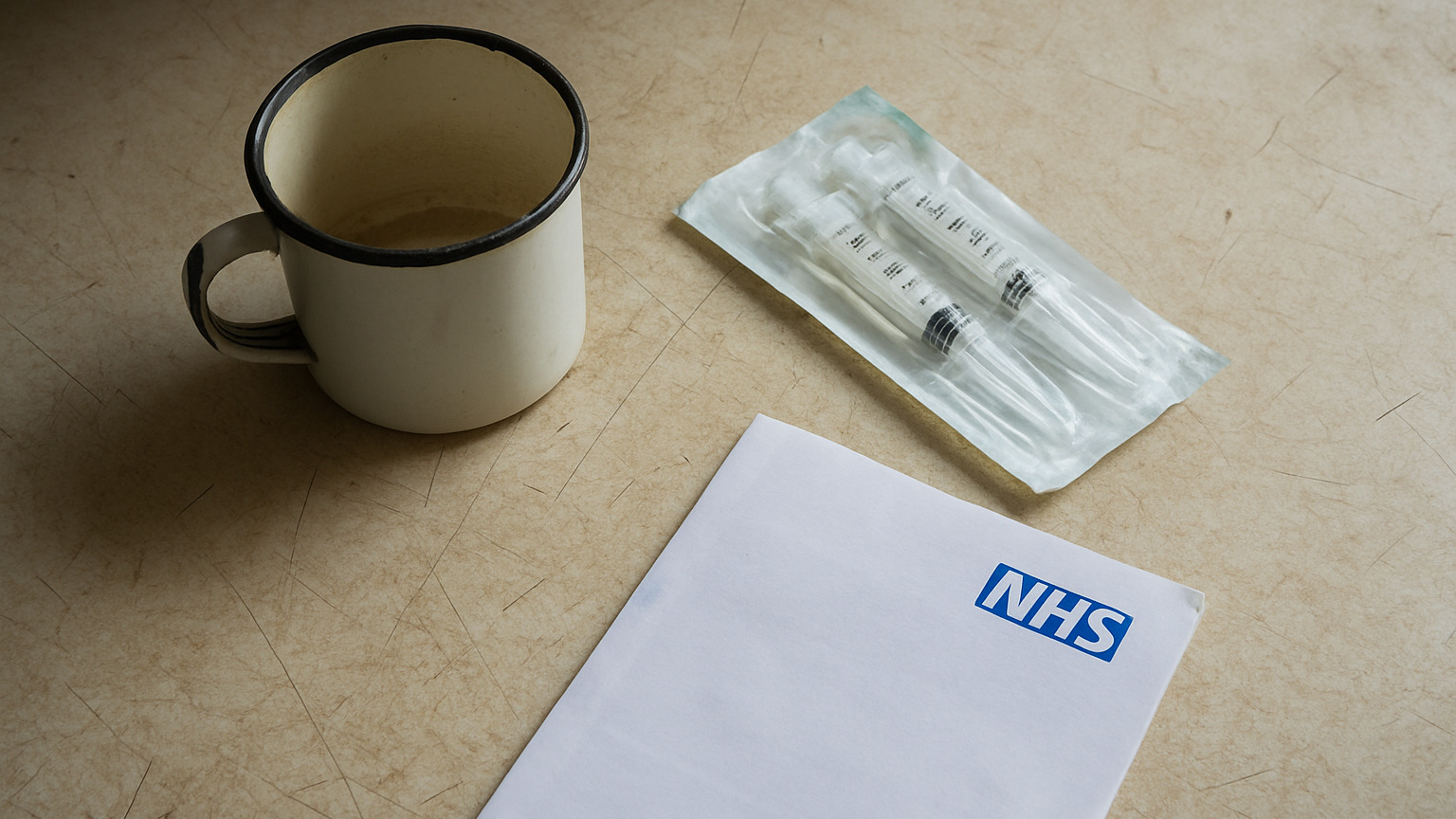
There is no vaccine designed specifically against gonorrhoea, but there is one that partially protects against it by accident. The meningococcal B vaccine, developed against a bacterium that causes meningitis, turns out to offer some cross-protection because Neisseria meningitidis and Neisseria gonorrhoeae are closely related and share surface proteins. England has introduced a targeted vaccination programme on that basis.
How was this discovered?
Observational studies, initially in New Zealand and later elsewhere, found that people who had received a meningococcal B vaccine during outbreak campaigns had noticeably lower rates of gonorrhoea afterwards. The effect was consistent enough across different populations to prompt the UK Joint Committee on Vaccination and Immunisation to recommend a targeted programme, which sexual health services in England began delivering.
How much protection does it give?
Partial, and it is important to be clear about this. Estimates from the observational data suggest somewhere around a third reduction in gonorrhoea infections, possibly a little more. That is a long way from the protection you would expect from a hepatitis B or HPV vaccine. It is worth having, because gonorrhoea is common and increasingly difficult to treat, but it does not mean you can stop screening or stop using other prevention.
Why is it worth doing at all if it is only partial?
Because of antibiotic resistance. Gonorrhoea has defeated penicillins, tetracyclines, ciprofloxacin and azithromycin in turn, and strains with reduced susceptibility to ceftriaxone, the current first-line injection, have been identified in the UK. Anything that reduces the number of infections reduces the number of antibiotic courses given and slows resistance developing. A vaccine with modest individual benefit can have a substantial population effect when infection rates are high.
Who is eligible?
The programme is targeted rather than universal, aimed at gay and bisexual men and other men who have sex with men at higher risk, which services generally interpret as including recent bacterial infections, multiple partners or involvement in transactional sex. Eligibility criteria and rollout have varied across the UK nations, so the practical answer is to ask at your clinic whether you qualify locally.
How many doses?
Two, given some weeks apart. As with every course, the second dose is the one people miss, so book it before leaving. Side effects are commonly a sore arm, sometimes with fever or aching for a day, which is a little more noticeable than with some other vaccines.
Does it protect against meningitis too?
Yes, that is its original purpose, and invasive meningococcal disease has caused clusters among men who have sex with men in the past. That is a secondary benefit rather than the reason for the programme, but it is a real one.
What does it not do?
It does not prevent chlamydia, syphilis, HIV, mpox or anything else. It does not treat an existing gonorrhoea infection. And it does not reduce the need for three-monthly screening, which remains the main way rectal and throat gonorrhoea gets found, since both are usually silent.
What else is coming?
Doxy-PEP, a dose of doxycycline taken after sex, has been shown to reduce bacterial infections substantially and is being introduced in some UK services with specific eligibility criteria. Purpose-built gonorrhoea vaccines are in development but not yet available. In the meantime, the combination of meningococcal B vaccination, regular screening and prompt treatment is the realistic package, and it is worth asking your clinic which parts of it you can access.
Should you change anything after having it?
No, and this is the part most worth getting right. A third reduction in risk is a useful addition to screening, treatment and condoms, and a poor substitute for any of them. Someone who has the vaccine and then screens less often will end up worse off than before. The sensible framing is that it lowers the number of infections you get over a year, not that it removes the need to look for them.
How does it compare with doxy-PEP?
Doxy-PEP appears considerably more effective against chlamydia and syphilis than against gonorrhoea, where resistance limits it, while the meningococcal B vaccine acts only on gonorrhoea. They address different parts of the problem and are not alternatives to each other. Where both are available to you, ask the clinic how they fit together rather than choosing between them.
Is it available across the UK?
Rollout has differed between the four nations. If your clinic is not offering it, ask whether another local service is.


