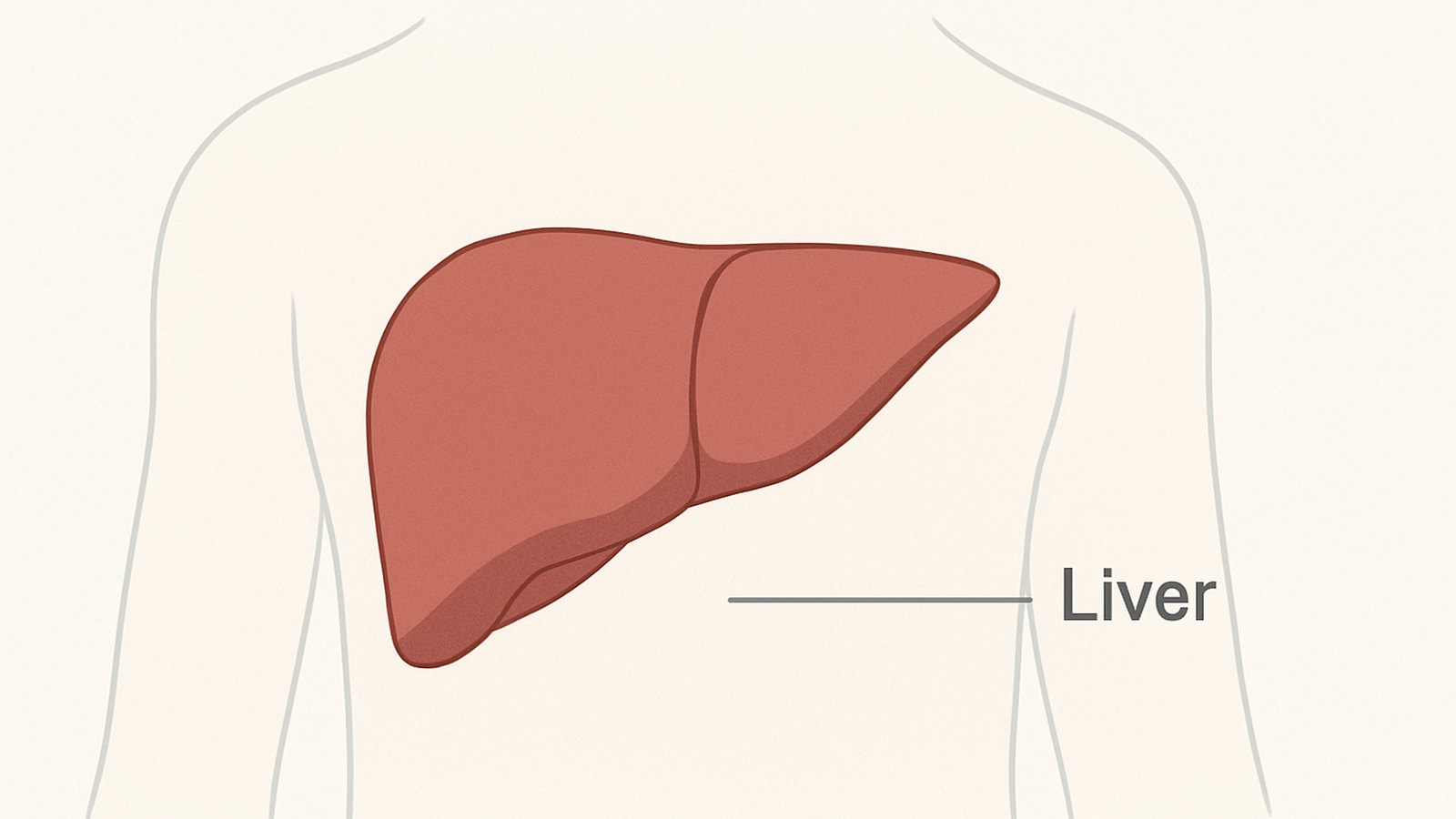
Jaundice, the yellowing of the skin and the whites of the eyes, is what everyone associates with hepatitis, but it arrives late in the illness and in many cases never arrives at all. The days or weeks before it are vague enough that most people conclude they have a virus and carry on. Recognising that phase matters, because it is when transmission to others is most likely.
What does the early phase feel like?
The prodromal phase typically brings fatigue that is disproportionate to anything you have done, a general feeling of being unwell, mild fever, aching muscles and joints, and a marked loss of appetite. Nausea is common and some people vomit. A striking and frequently reported feature is a sudden aversion to specific things, classically cigarettes, alcohol or fatty food, which stop being appealing before anything else has gone wrong. Discomfort or a dull ache under the right ribcage, where the liver sits, is a useful pointer that this is not ordinary flu.
Which signs come just before jaundice?
Two changes reliably precede visible yellowing by a day or two and are worth knowing. Urine becomes noticeably darker, often described as the colour of strong tea or cola, and this happens even when you are drinking normally. Stools become pale, clay-coloured or putty-like. Generalised itching without a rash can also appear. If you have had a flu-like illness and then notice dark urine and pale stools, that combination warrants a same-week medical appointment.
How do the different types differ?
Hepatitis A is spread faecal-orally, which in practice includes oral to anal contact and rimming, and has caused outbreaks in sexual networks. Its incubation is fifteen to fifty days, it produces an acute illness that can be genuinely unpleasant for weeks, and it does not become chronic. Hepatitis B is transmitted through blood and sexual contact, incubates over six weeks to six months, and causes noticeable illness in only around half of adults infected. Most adults clear it, but a minority develop chronic infection. Hepatitis C is transmitted mainly through blood, which in sexual contexts means shared injecting equipment, fisting and traumatic condomless sex, particularly where HIV is also present. Acute hepatitis C is silent in the great majority of cases.
Can you have hepatitis with no symptoms at all?
Frequently. Chronic hepatitis B and C often cause nothing for decades while quietly damaging the liver, and are usually found on blood tests taken for another reason or as part of a sexual health screen. This is the main argument for including hepatitis in routine screening rather than testing only when unwell.
Which are preventable by vaccination?
Hepatitis A and hepatitis B both have effective vaccines, and both are offered free through UK sexual health clinics to men who have sex with men rather than requiring a GP appointment or private clinic. Hepatitis B vaccination is a course of injections with a blood test afterwards to confirm you have responded. There is no vaccine for hepatitis C, but it is now curable in the great majority of cases with a course of direct-acting antiviral tablets taken for eight to twelve weeks.
What should you do if you suspect it?
Contact a sexual health clinic or your GP and ask for liver function tests and a hepatitis screen. Stop drinking alcohol entirely while you are being investigated, since the liver does not need the additional work, and check any medication or supplement you take with a pharmacist, paracetamol included. Avoid preparing food for others and be scrupulous about handwashing if hepatitis A is a possibility, since it is highly infectious by that route.
When is it urgent?
Go to A&E for confusion, drowsiness, persistent vomiting that prevents you keeping fluids down, or significant abdominal swelling. These suggest the liver is failing to cope and need assessment immediately rather than in the morning. Everything else on this page is a same-week appointment rather than an emergency, but it is a genuine appointment rather than something to watch for another fortnight.