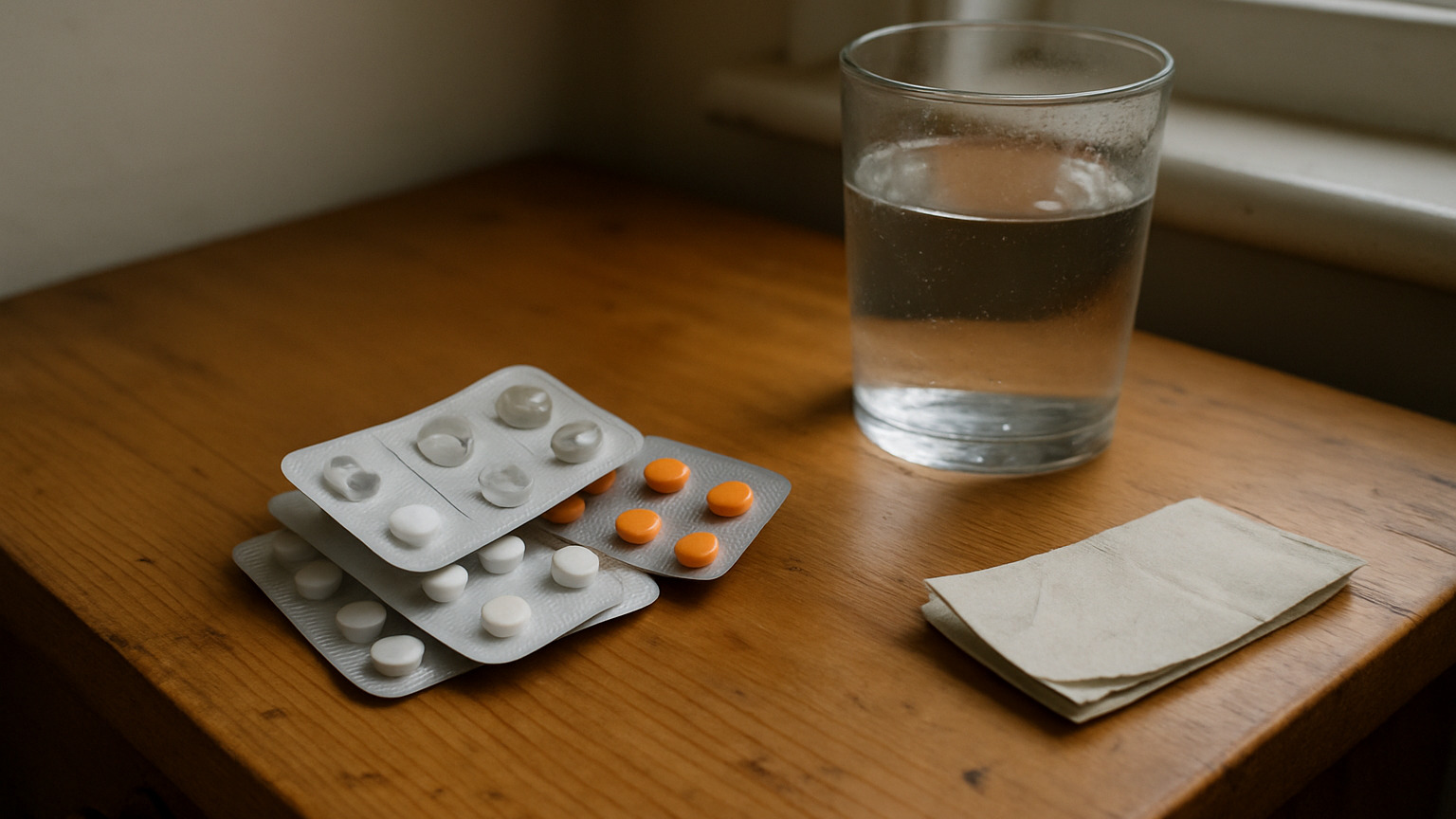
Yes, they can, and plenty do. There is no clinical reason for a partner to take PrEP if you have a sustained undetectable viral load, because sexual transmission is not possible in that situation. There are several personal reasons, and confusing the two is what turns this into an argument.
What is the clinical position?
Sustained viral suppression means HIV cannot be passed on sexually. That evidence comes from large studies following serodifferent couples over years of condomless sex with no transmissions from a suppressed partner. On that basis, PrEP adds nothing to a relationship where suppression is established and both partners are only having sex with each other.
So why do people take it anyway?
Several reasons that have nothing to do with doubting your treatment. They may have other partners, in which case PrEP is protecting them from those partners rather than from you. They may find that having it removes an intrusive worry, and taking a daily tablet to stop thinking about something is a reasonable trade. They may want to be on it during the period before your suppression is established. Or the relationship may not be as closed as it appears, in which case PrEP is doing exactly what it should.
How do you avoid it becoming a fight?
By separating the question of whether it is necessary from the question of whether they can have it. It is not necessary, and they can have it. Treating their decision as an accusation invites them to defend it as one, and the conversation ends up being about trust rather than about a tablet. Their body, their anxiety, their choice.
What if they do not believe U equals U?
Common, and usually about what they absorbed years ago rather than about you. Arguing rarely works. Sending them a clinical source such as the British HIV Association position or an established charity page works better, because people process new information more readily on their own. It is also reasonable to say that you are not going to keep re-litigating it, which is a boundary rather than an ultimatum.
What should they actually do to get PrEP?
Attend a sexual health clinic and ask. It is free on the NHS, involves an HIV test, a kidney function check and a conversation about daily or event-based dosing, and comes with three-monthly screening. Being the partner of someone living with HIV is a straightforward route to eligibility, though many people qualify on other grounds anyway.
What still needs attention?
Everything that is not HIV. Undetectable status has no effect on gonorrhoea, chlamydia, syphilis, hepatitis or mpox, and neither does PrEP. Both of you should be screening regularly and should be vaccinated for hepatitis A and B, HPV and mpox. If either of you has sex outside the relationship, the interval goes back to three-monthly for both.
What about conceiving a child?
A serodifferent couple where the partner living with HIV is suppressed can conceive through ordinary sex without transmission risk. Fertility services and specialist advice are available where there are other complications. This is a conversation for your HIV clinic well before you start trying.
The short version
Your treatment does the work. Their PrEP is theirs to decide on, and letting it be uncomplicated is usually better for the relationship than winning the point.
What about condoms?
Same principle. Some couples stop using them once suppression is established, some continue for other reasons including other partners or simply preference. There is no clinical requirement either way for HIV, and condoms continue to offer protection against other infections that neither PrEP nor suppression touches.
What if you are the negative partner reading this?
Two things are true at once: the evidence that a suppressed partner cannot transmit HIV is as solid as evidence gets in this field, and being anxious about it anyway is common and not something to be ashamed of. If PrEP settles that anxiety, take it. If the anxiety persists despite everything, that is worth raising with a clinic, because it is treatable and it is affecting your relationship more than the virus is.
Getting the information from the same place
Attending an appointment together, where a clinician explains it to both of you, resolves more of these conversations than months of discussion at home.