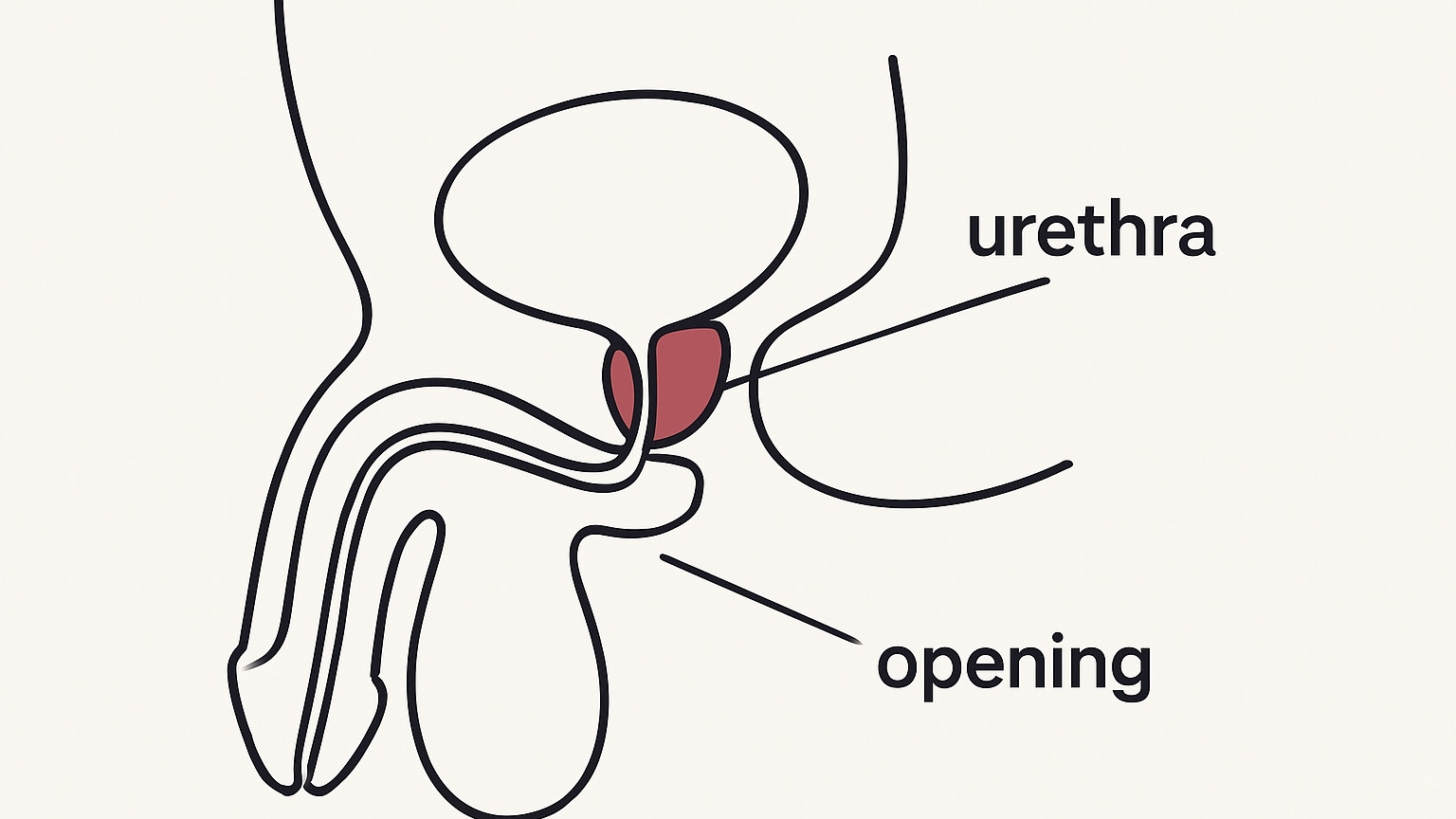
Sexual health screening is determined by two things: the anatomy you have and the sex you have. Neither is determined by your gender marker on a record, which is where services most often go wrong. A well-run clinic asks about both directly and takes the relevant samples; a poorly run one makes assumptions and misses infections.
What should a screen cover?
Every site you use. That may mean a urethral or urine sample, a rectal swab, a throat swab, a vaginal or front hole swab, or a neovaginal swab following genital surgery, in any combination. Self-taken samples are standard for most of these, which many people find easier than being examined. Blood tests for HIV and syphilis apply to everyone. If a service does not ask which sites are relevant, tell them, because that is what determines whether the screen is complete.
What about screening after surgery?
Anatomy created through surgery still needs consideration. A neovagina can acquire infections and should be swabbed if it is used for sex, though the sampling approach differs and not every clinician will be familiar with it. Some tissue may retain the characteristics of its original site, which affects what should be screened for. This is a reasonable thing to ask a specialist service about if your local clinic is uncertain.
Cervical screening
If you have a cervix, you are eligible for cervical screening. Trans men and non-binary people registered with a male gender marker are not automatically invited, because invitations are generated from the register rather than from records of anatomy. You have to request it, which is an administrative failure rather than a clinical one. Ask your GP directly, and ask to be flagged for future recalls.
Do hormones interact with PrEP?
The evidence indicates no clinically significant interaction between gender-affirming hormone therapy and the drugs used for PrEP, in either direction. Concerns that PrEP might reduce hormone levels have not been borne out. This is worth stating clearly because the belief that they conflict has kept people off one or the other. Kidney function is monitored on PrEP as it is for everyone.
Are trans people eligible for the same vaccines?
Eligibility for hepatitis A and B, HPV and mpox vaccination through sexual health services is based on the sex you have and the risks it carries, not on gender. If a service applies criteria in a way that excludes you illogically, it is worth asking them to reconsider, since the underlying guidance is about behaviour rather than identity.
What about names and records?
You can use the name you go by at sexual health services, and clinics can usually record a preferred name alongside anything else they hold. If staff use the wrong name or pronouns, correcting them once is reasonable and most will adjust. Persistent misgendering is worth raising with the service rather than absorbing.
Finding a service that is competent
Larger city services and those working closely with LGBT organisations are generally better prepared. Some clinics run dedicated trans sessions. Local LGBT centres, cliniQ and similar organisations know which services in an area are good, and asking them is faster than finding out the hard way.
What to bring to an appointment
A clear statement of which anatomy you have, which sites you use for sex, what medication you take including hormones, and any surgical history relevant to sampling. That is enough for a competent clinician to take the right swabs without you having to educate them on anything broader.
What about PrEP eligibility?
PrEP is available on the NHS based on risk of acquiring HIV rather than gender, and trans and non-binary people having condomless anal sex are within the criteria. If a service applies eligibility in a way that seems to exclude you without a clinical reason, it is worth asking them to reconsider or attending a service with more experience.
Where to get support if a service gets it wrong
Local LGBT organisations, cliniQ and similar services can advise and sometimes advocate. Gender reassignment is a protected characteristic under the Equality Act, so discriminatory treatment is unlawful rather than merely poor, and complaints can say so explicitly.