Fisting carries a specific set of risks that differ from other sex, and most of them are reduced substantially by a handful of practical measures. This is harm reduction rather than discouragement: the people who get hurt are usually those who did it quickly, while heavily intoxicated, or without knowing what warning signs to act on.
Pain is the safety mechanism
The single most important point. Pain is what tells you the tissue has reached its limit, and anything that removes it removes your protection. Numbing lubricants, and drugs such as GHB, ketamine or large amounts of alcohol, all blunt that signal, which is why serious injuries cluster in sessions where they were involved. If the only way to continue is to not feel it, that is the point to stop.
Gloves and hands
Cut nails short and file them smooth, since a nail edge is the most likely thing to cause a tear. Gloves make the surface smoother, protect against cuts on your own hands and reduce transmission of infections in both directions. Nitrile is a reasonable default and is fine with any lubricant, unlike latex, which oil-based products destroy. Change gloves between partners and between orifices.
Lubricant
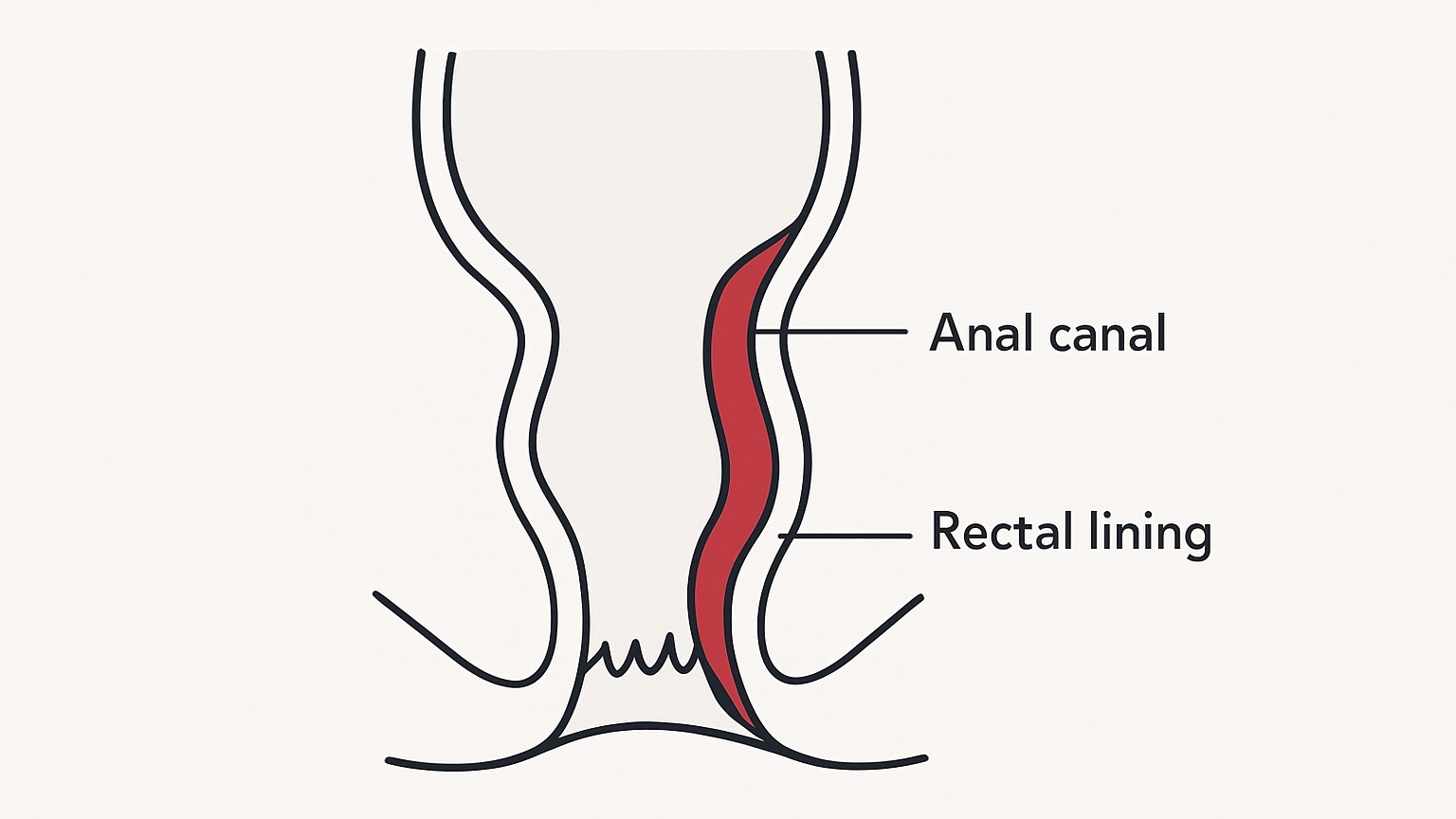
Use a great deal more than for anything else, and use a thick one. Dedicated fisting lubricants exist for this reason. Reapply frequently rather than waiting for friction to increase. Avoid anything with numbing agents, and prefer low-osmolality products, since highly concentrated lubricants damage the rectal lining and increase susceptibility to infection.
Hepatitis C
This is the infection most specifically associated with fisting, because it is spread by blood and fisting frequently causes microscopic bleeding that neither partner notices. Sharing lubricant pots, gloves, toys and slings between partners moves blood around efficiently. Use individual lubricant containers or decant rather than dipping shared hands into a communal tub, change gloves between people, and include hepatitis C testing in your screens. It is now curable with a course of tablets, so finding it matters.
Warning signs that need A&E
A perforation of the bowel wall is rare but serious and needs surgery. Go to A&E immediately for severe or worsening abdominal pain, a rigid or very tender abdomen, fever, vomiting, feeling faint, heavy bleeding, or an inability to pass wind or stool. Pain in the shoulder tip can also indicate free air or fluid in the abdomen. Do not wait until morning, and tell the staff what happened, because delay is what turns this from a manageable operation into a life-threatening one. Nobody is going to be prosecuted or lectured, and the information changes the treatment.
Sphincter function
Repeated stretching without adequate recovery, and injuries sustained while pain was blunted, are the mechanisms most likely to affect continence long term. Spacing sessions, stopping when something hurts and not escalating quickly all protect function. Pelvic floor exercises are worth doing and cost nothing.
Practical preparation
Douching before fisting is common, but keep volumes small and pressure low, use lukewarm water or saline rather than soap, and leave an hour or two before starting so the lining is not freshly stripped. Have towels, spare gloves and plenty of lubricant within reach rather than across the room.
Afterwards
Expect some soreness for a day or two and avoid further receptive sex until it settles. A small amount of bright blood is common; anything more than that, or blood with pain or fever, needs seeing. Include a full three-site screen plus hepatitis C in your next testing round.
Toys and shared equipment
Toys used for this should be non-porous, flared at the base, and either used with a condom or thoroughly cleaned between partners. Porous materials cannot be properly disinfected and should not be shared. Slings, towels and surfaces that come into contact with blood are worth cleaning between people for the same hepatitis C reasons.
Communication during
Agree beforehand on how the receptive partner will indicate to stop, and make sure it works if they are not able to speak clearly. Check in during rather than only at the start. The receptive partner setting the pace, rather than the person doing the fisting, is the arrangement that produces the fewest injuries.
Recovery
Leave several days before receptive sex again, longer if there was any bleeding. Pelvic floor exercises during recovery are worthwhile. Repeated sessions without recovery time are the pattern most likely to cause lasting problems, and spacing them out costs nothing.