Treatment as prevention is the principle that treating HIV does two jobs at once. It protects the health of the person taking the medication, and it stops the virus being passed on. Once someone has a sustained undetectable viral load, they cannot transmit HIV sexually, which makes diagnosis and treatment the single most powerful prevention tool available.
How does it work?
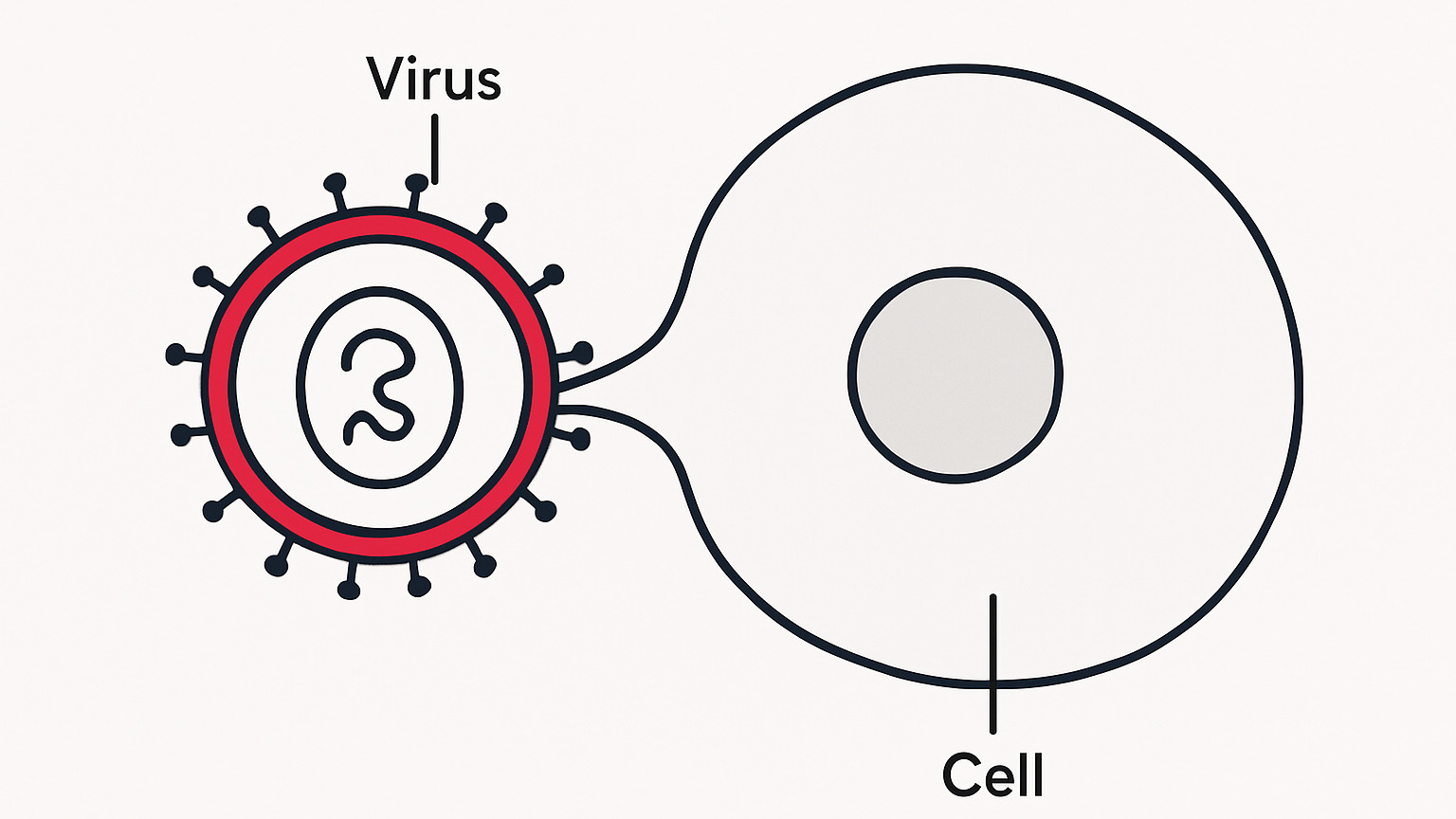
Antiretroviral treatment suppresses viral replication to the point where the amount of virus in blood and genital fluids falls below what laboratory tests can measure. Transmission requires a sufficient quantity of virus to reach a susceptible surface. If there is effectively none present, there is nothing to transmit. This is a mechanism rather than a probability, which is why the position is stated without hedging.
What counts as suppressed?
UK laboratories generally report undetectable below fifty copies per millilitre. The evidence base for untransmittability uses a threshold of two hundred, which allows margin for the small fluctuations that occur. Sustained is the operative word: suppression maintained over at least six months on consistent treatment, not a single good result.
Why does this change prevention strategy?
Because it reframes what testing is for. A diagnosis is no longer only about getting someone into care; it is the first step in removing a source of onward transmission. Every person diagnosed and treated early is one fewer route by which the virus reaches anyone else. That is why so much UK effort goes into finding undiagnosed infection rather than only into promoting condoms.
How does it work at population level?
The proportion of people living with HIV who are diagnosed, in care and virally suppressed determines how much virus is circulating in a community. Where that proportion is high, transmission falls even among people not taking any personal precautions, because fewer of their partners can transmit. The UK has reached a high level on all three measures, and new diagnoses in gay and bisexual men have fallen substantially over the past decade.
Where does it not apply?
Treatment as prevention covers HIV and only HIV. It has no effect on gonorrhoea, chlamydia, syphilis, hepatitis, herpes or mpox. It applies to sexual transmission, where the evidence is definitive, and the position on shared injecting equipment is less firmly established. Vertical transmission from parent to child is prevented very effectively by treatment, with transmission rates in the UK now extremely low.
What does it depend on?
Three things, and each is a point where it can fail. People being diagnosed, which requires testing. People starting and staying on treatment, which requires services they can reach and reasons to stay engaged. And treatment working, which requires adherence and the absence of resistance. The prevention benefit is only as good as the weakest of the three.
How does it relate to PrEP?
They are complementary rather than alternatives. Treatment as prevention removes transmission from people who have HIV. PrEP protects people who do not. Between them they close the loop from both directions, and the fall in new diagnoses in the UK reflects both operating together alongside expanded testing.
What does it mean for individuals?
If you are living with HIV, taking your medication is prevention as well as treatment. If you are not, a partner on effective treatment poses no HIV risk to you. And for everyone, testing regularly is what allows the whole approach to function, since undiagnosed infection is the part of the epidemic that treatment as prevention cannot touch.
How long does it take to become preventive?
Most people reach an undetectable viral load within one to six months of starting treatment, with many suppressed within three. Sustained suppression, generally taken as six months of consistent undetectable results, is the point at which the transmission position is settled. Until then, condoms or a partner taking PrEP remain the sensible arrangement, and clinics will tell you when you are in that position if you ask directly.
Does it depend on staying on treatment?
Entirely. Suppression is maintained rather than achieved once, and stopping leads to viral load rebounding within weeks. This is why adherence support, housing, mental health and everything else that keeps people engaged with care is prevention work rather than a separate welfare concern.