Most of what goes wrong is not a decision anyone made deliberately. It is running out of lubricant, not having a condom, missing a dose because the tablets were at home, or having no way to charge a phone at three in the morning. A short list solves nearly all of it.
Condoms and lubricant
Condoms in the width that fits you, not whatever was in a bowl somewhere, and more lubricant than you expect to need. Sachets are convenient but small, and running out partway through is the situation that leads to improvising with something from a bathroom cabinet, which destroys latex. A small bottle in a bag is better.
Your medication
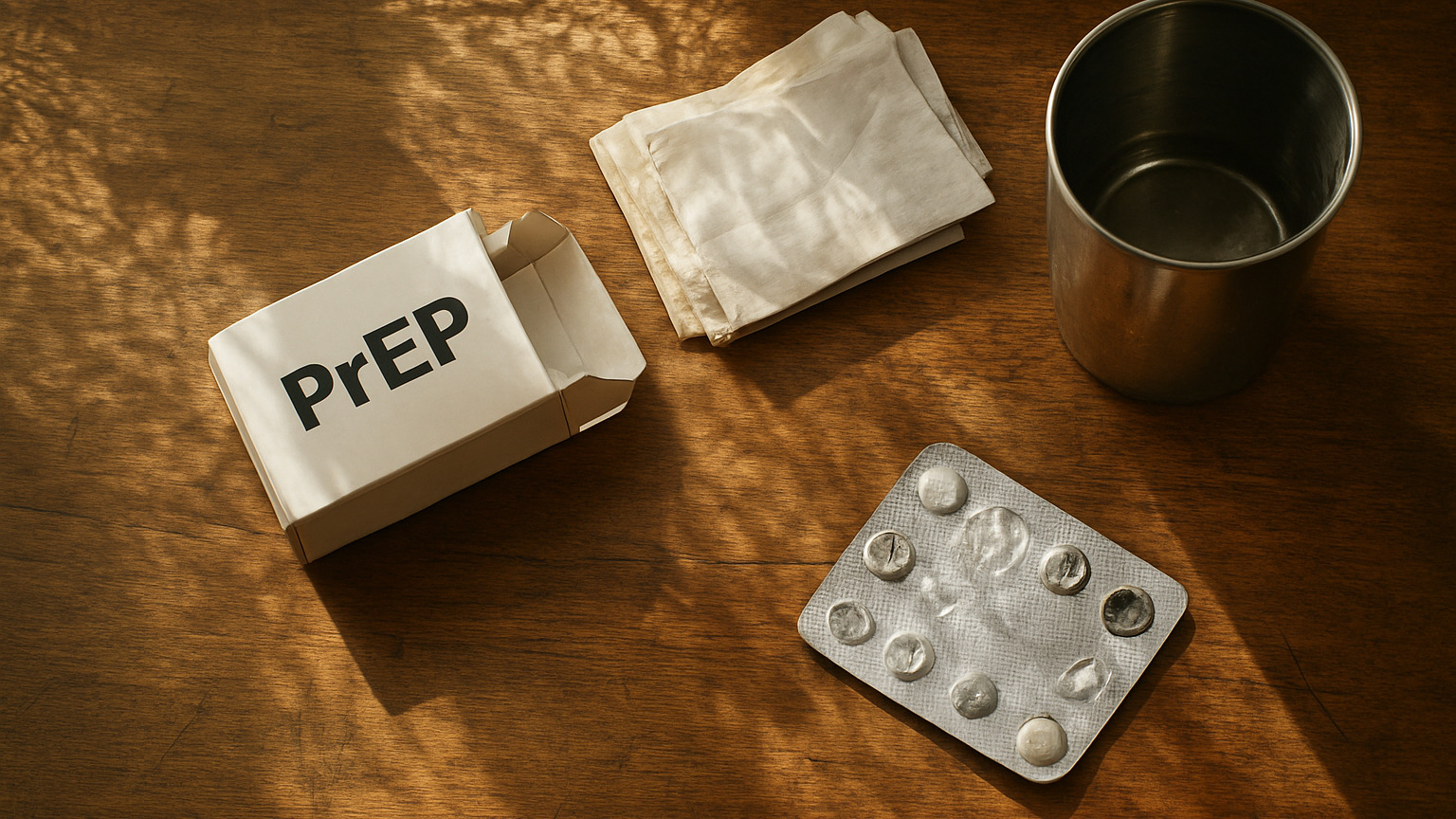
If you take PrEP daily, take the dose you will need, since a night away from home is the classic missed dose. If you use event-based dosing, the double loading dose needs taking two to twenty-four hours before, which means before you go out rather than when something is about to happen. If you are on HIV treatment, take the dose with you.
Doxy-PEP if you have it
If your service has prescribed it, carrying a dose means you can take it the following morning within the window rather than discovering the tablets are at home. Take it with a full glass of water and stay upright for half an hour afterwards.
A charged phone and a charger
Underrated. A phone with no battery means no way to get home, no way to contact anyone, and no way to look up where the nearest clinic is. A small power bank is worth more than most of the rest of this list.
Water and something to eat
Dehydration makes everything worse, particularly with stimulants, and eating properly beforehand does more for how the night goes than anything you take with you. If drugs are likely to be involved, food beforehand and water throughout are the two most useful things.
Numbers you might need
Your sexual health clinic, and knowledge of which A&E is nearest and provides PEP outside clinic hours. Knowing this in advance saves an hour you may not have, since PEP works best within twenty-four hours and is not given beyond seventy-two.
Telling someone
Where you are going and roughly when you expect to be back. This is not being cautious for its own sake; it is what makes it possible for someone to notice if you do not come home.
What to leave behind
Anything you would rather not lose, since bags and phones go missing. Consider what identification you actually need on you. If you are carrying medication that identifies a diagnosis and that matters to you, a plain container solves it, though keeping original packaging is generally better for other reasons.
What not to rely on
Venue supplies. Many sex-on-premises venues provide condoms and lubricant free, and the range is often narrow and the sachets small. Treat them as a backup rather than the plan.
Does any of it need to be discreet?
Condoms, lubricant and a tablet fit in a pocket without announcing anything. If carrying medication that names a diagnosis is a concern, a plain container solves it, though original packaging is generally better if there is any chance of needing to show a clinician what you take.
The version that fits in a pocket
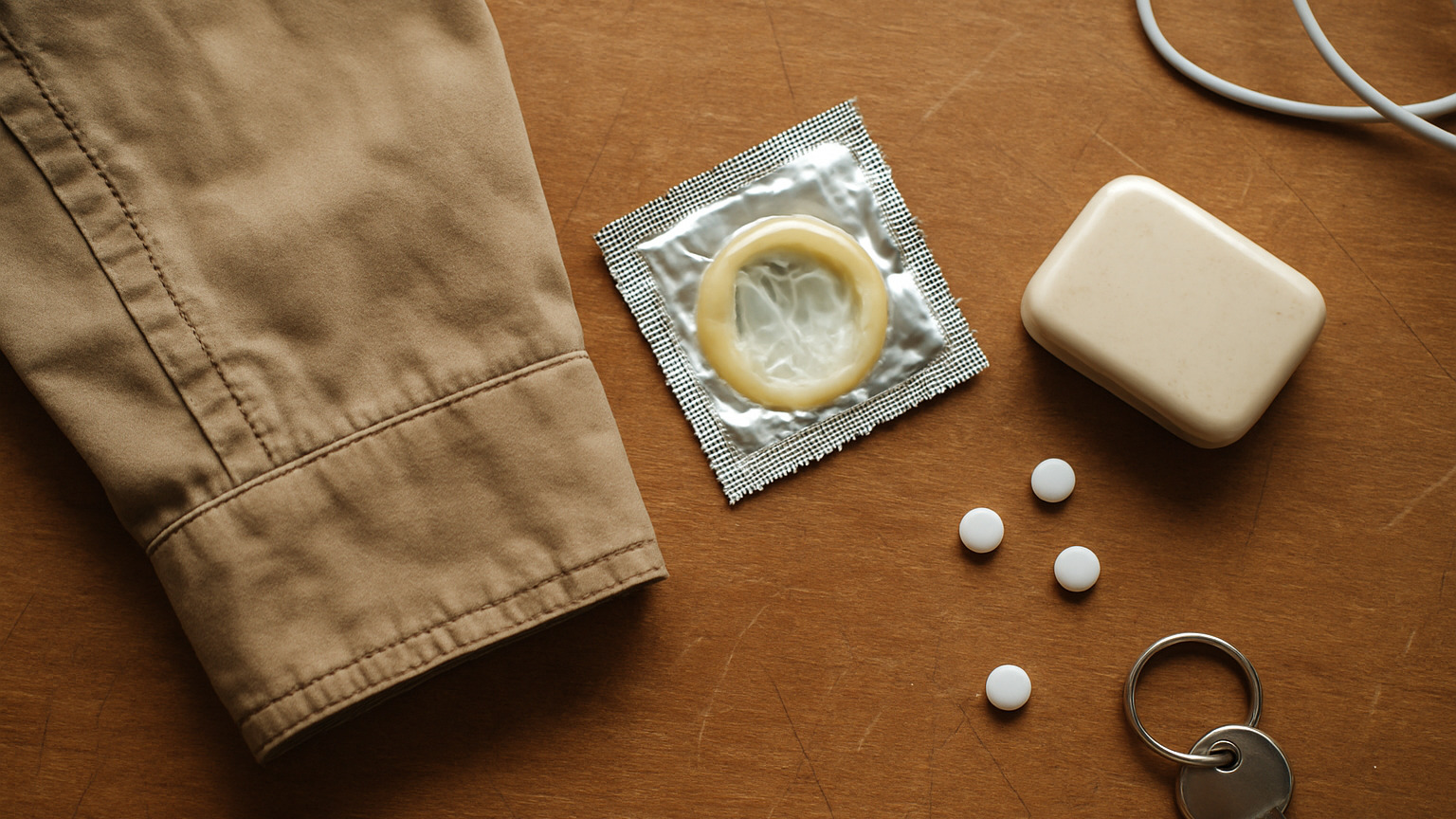
Condoms, lubricant, your dose, a charger. Four things, and they remove most of the situations where the night goes differently from how you intended.
What if you are staying over?
Take the next day's dose too. Missing a PrEP or HIV treatment dose because you stayed somewhere unexpectedly is one of the most common causes of a gap, and carrying one spare tablet removes it entirely.
What about identification and money?
Enough to get home independently, kept separately from your phone so losing one does not lose both. This sounds unrelated to sexual health and is not: being stranded is how people end up staying somewhere they did not intend to.
Preparing before you leave
Eat properly, take your dose, charge your phone, and tell someone your rough plan. Four things that take five minutes and change how the night goes more than anything you carry.