
Serosorting means choosing sexual partners who share your HIV status, on the reasoning that two people who are both negative cannot transmit it to each other. It was widely practised before PrEP was available, it reduced risk somewhat, and it failed often enough that it is no longer recommended as a primary strategy.
Why does it fail?
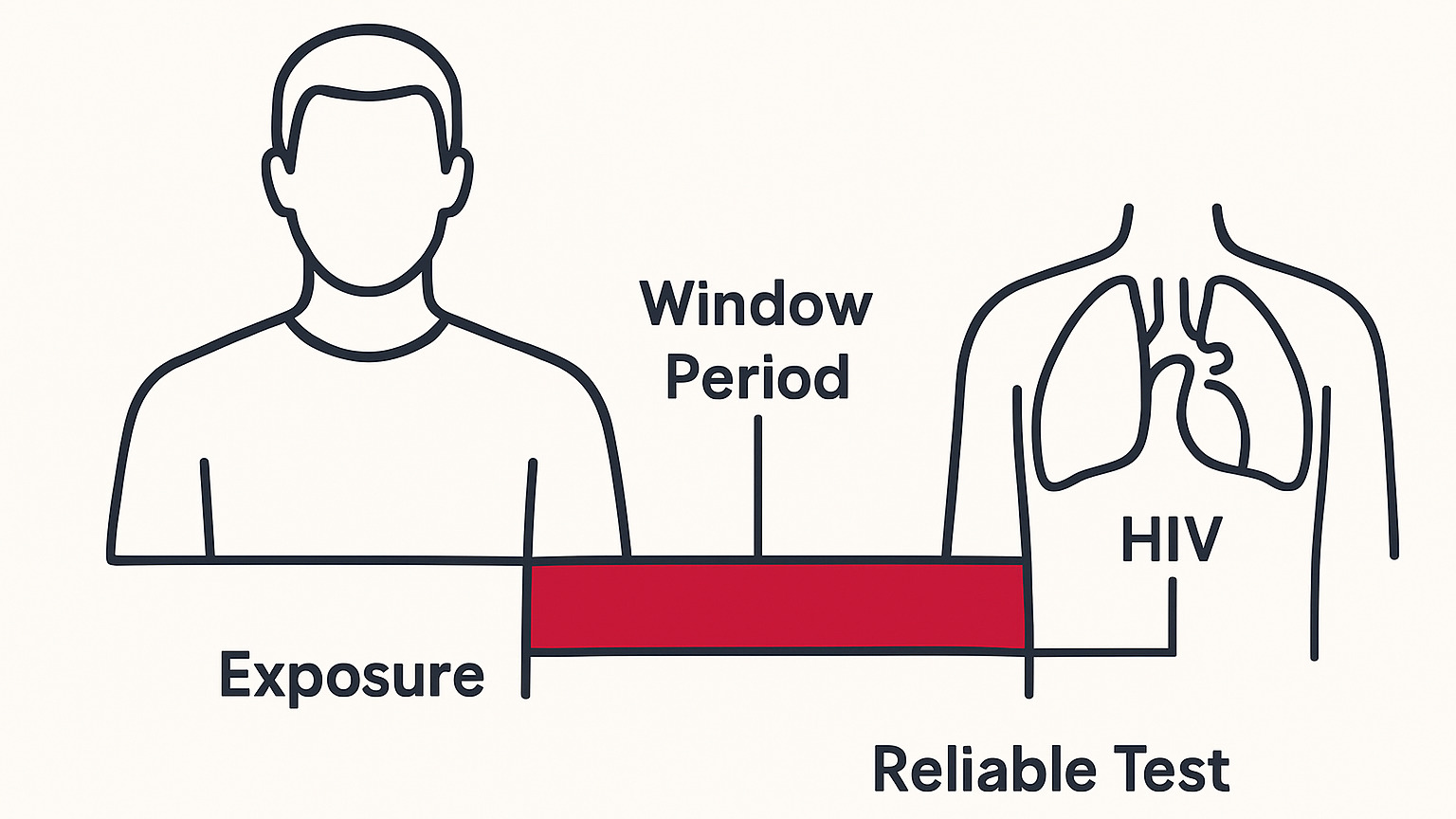
Because it depends on both people knowing their status accurately, and a great many people do not. Someone who tested six months ago and has had sex since is describing an old result. Someone in the window period may have acquired HIV and still test negative. And someone in acute infection, when viral load is at its highest and transmission most likely, is precisely the person most likely to believe they are negative.
How big is the gap?
Studies of men practising serosorting found it reduced HIV incidence compared with no strategy at all, but considerably less than consistent condom use, and far less than PrEP. The failures cluster around the same causes: outdated tests, undiagnosed infection and dishonesty being the least common of the three.
What about serosorting in the other direction?
People living with HIV sometimes chose partners who were also positive, which removed HIV transmission as a concern between them. That approach carried its own issues, including the theoretical question of acquiring a different strain, and it did nothing about hepatitis C, which has spread efficiently through networks of men living with HIV. Since U equals U became established, the reasoning behind it has largely dissolved.
Has anything replaced it?
Two things. PrEP, which protects you regardless of who your partners are or what they know about themselves. And treatment as prevention, which means a partner with a sustained undetectable viral load cannot transmit HIV at all. Between them, they make the accuracy of anyone's self-reported status far less load-bearing.
Is asking about status still worth doing?
Yes, but as information rather than as a filter. A partner who says they are undetectable is giving you reliable information, since they are diagnosed, in care and tested every few months. A partner who says they are negative is giving you something considerably less reliable, because they may not have tested recently. The counterintuitive point is that the undetectable answer is the more informative one.
What does it do about other infections?
Nothing. HIV status says nothing about gonorrhoea, chlamydia, syphilis, herpes, hepatitis or mpox, all of which circulate regardless. Someone using status as their entire prevention approach is unprotected against the infections they are most likely to actually acquire.
Does it still happen?
Frequently, often without being named, in the form of app profiles stating a status and filtering others. It functions as much as a social sorting mechanism as a health one, and that is where the harm sits: rejecting people based on status carries real cost and, since U equals U, has no clinical justification at all.
What is the better approach?
Take PrEP if you are eligible, get vaccinated, screen every three months, and treat what partners tell you as useful context rather than as your protection. That works whether or not anyone's information is current.
The short version
Serosorting was a reasonable strategy in the absence of better options. Better options now exist.
What about asking when someone last tested?
A far more useful question than asking their status, because it establishes how current the information is. Someone who tested last week and someone who tested two years ago will both say negative. The date is where the information actually sits.
Does it have any place left?
As one input among several, and never as the whole plan. Knowing a partner is on treatment and undetectable genuinely changes the situation. Knowing a partner believes they are negative changes it much less.
What harm does it do?
Beyond the false reassurance, it sustains the practice of filtering people by status on apps, which carries real social cost and has no clinical justification now that suppression is understood. Someone rejected on those grounds is being excluded on the basis of information that no longer means what it once did.


