Sex abroad is not inherently riskier than sex at home, but it happens in a different network with different infection patterns, different resistance profiles and different access to care. Most of what helps is arranged before you go.
Medication supply
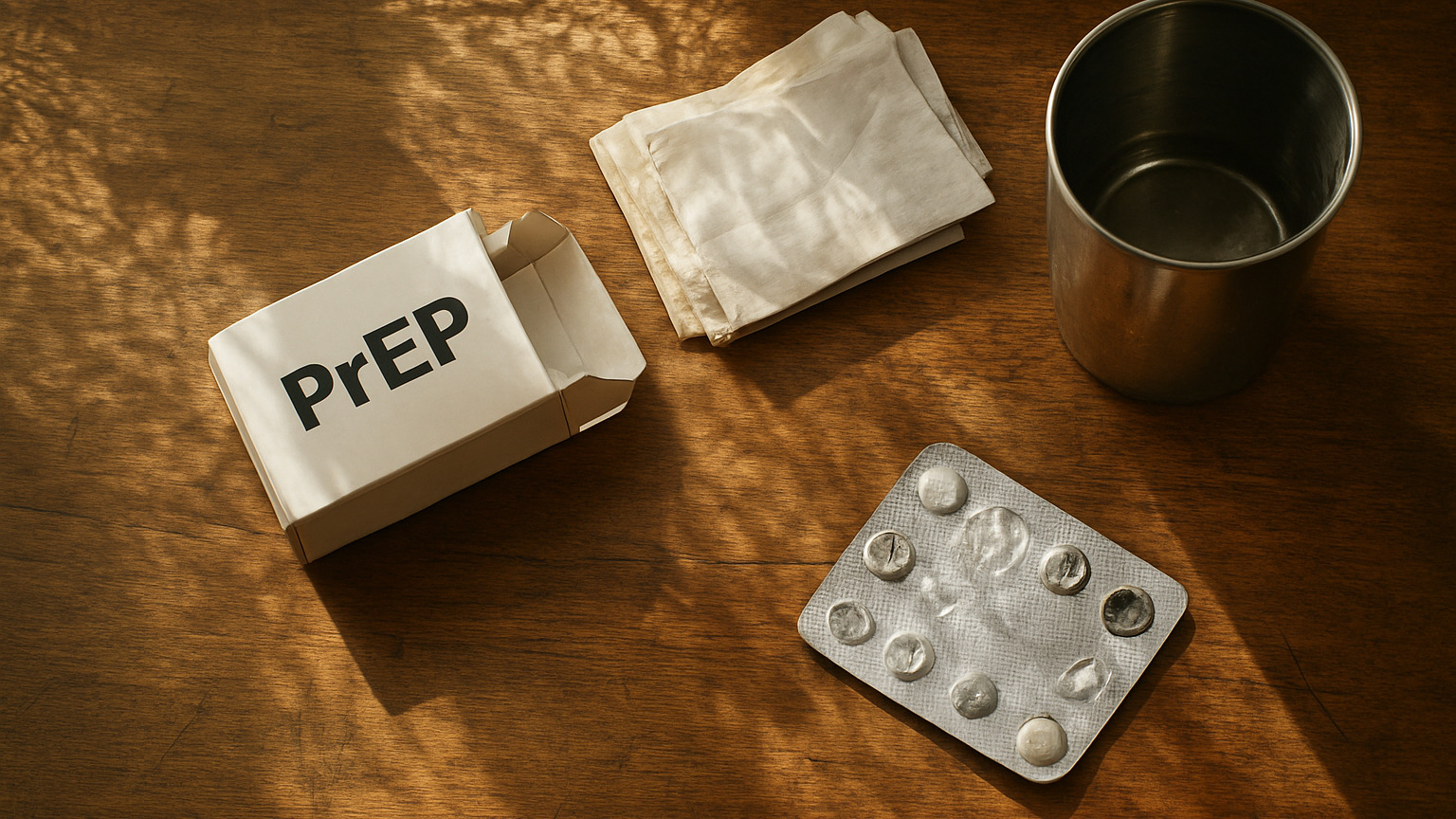
Take enough PrEP or HIV treatment for the whole trip plus a margin, since obtaining antiretrovirals abroad at short notice is difficult and expensive. Keep them in original packaging in hand luggage so a delayed bag does not become a treatment interruption. A letter from your clinic confirming the prescription is worth requesting for longer trips.
Vaccination
Complete courses before departure rather than starting them. Hepatitis A is a travel vaccine as well as a sexual health one and is common across much of the world. Mpox activity varies by region. Both take time to become protective, so six to eight weeks of planning is comfortable, though accelerated schedules exist if you have less.
Different resistance patterns
Antibiotic-resistant gonorrhoea is more common in parts of Asia and elsewhere than in the UK, and strains acquired abroad are more likely to be difficult to treat. This is a reason to mention where you travelled when you test afterwards, since it can prompt culture and susceptibility testing rather than a standard approach.
What is available locally?
Varies enormously. PEP may be difficult or impossible to obtain quickly in some countries, and sexual health services may not exist in a recognisable form. Look up before travelling where you would go if a condom broke, because working it out at two in the morning in an unfamiliar city is considerably harder.
Local laws and safety
Same-sex activity is criminalised in a number of countries, and in some places apps are monitored or used for entrapment. A few countries restrict entry or residence for people living with HIV, mostly affecting long-term visas rather than tourism. Check the current position for your destination rather than assuming, and consider what carrying identifiable medication means in that context.
Practical supplies
Take condoms and lubricant rather than relying on buying them locally, since quality, availability and materials vary and oil-based products are more commonly sold in some places. If you use a particular condom width, take it, since sizing conventions differ.
What about chemsex abroad?
Substances vary in strength and composition, and the dose you are used to may not be the dose you receive. Legal consequences are severe in some countries. If you are on HIV treatment containing a booster, the interaction risk with stimulants is the same abroad as at home and is worth checking beforehand.
Testing when you get back
A full screen two weeks after your last sexual contact abroad, covering every site, with HIV bloods at six weeks and syphilis and hepatitis at twelve. Mention where you travelled. If you develop a fever within weeks of returning from a malarial region, that is an urgent matter unrelated to sexual health and needs same-day attention.
What about apps abroad?
Location-based apps reveal more than people expect and are monitored in some countries. Consider turning off distance display, using a photo that does not identify you, and being cautious about meeting somewhere you cannot leave. This is a safety point rather than a health one, and it matters more in some destinations than others.
The short list
Enough medication plus spare, vaccinations completed, condoms and lubricant packed, a plan for where to go if something goes wrong, and a screen when you get home.
What about insurance?
Travel insurance should be declared honestly, including any diagnosis, since failing to do so can invalidate a policy for unrelated claims. Specialist brokers exist for people living with HIV and are generally better value than mainstream providers.
Does time zone affect dosing?
Modern regimens tolerate a shift of several hours without difficulty. Either move the dose gradually over a few days beforehand or switch to the same clock time at the destination and accept one shorter or longer gap. Set an alarm for the first few days, since a disrupted routine is the usual cause of missed doses on holiday.