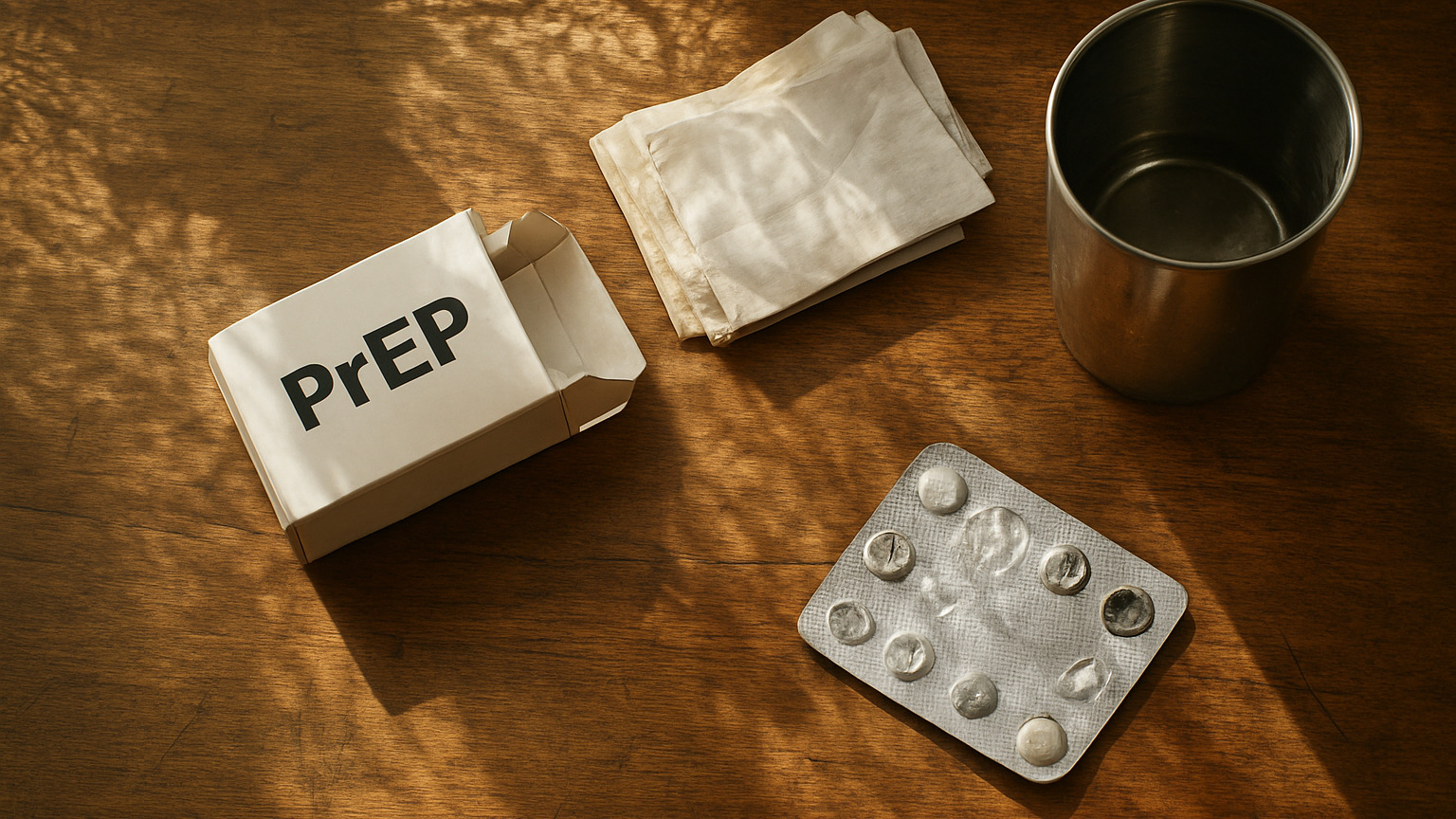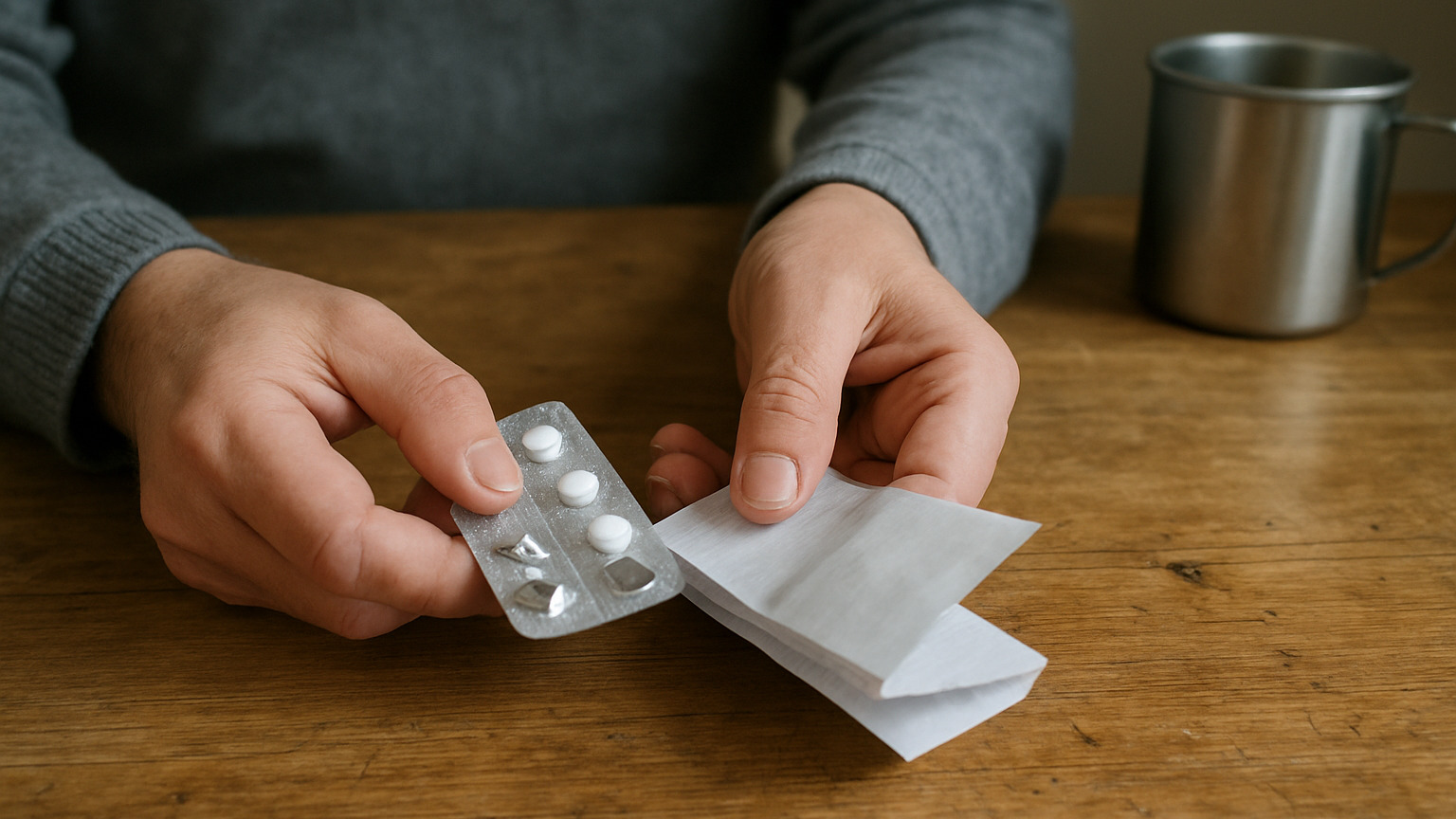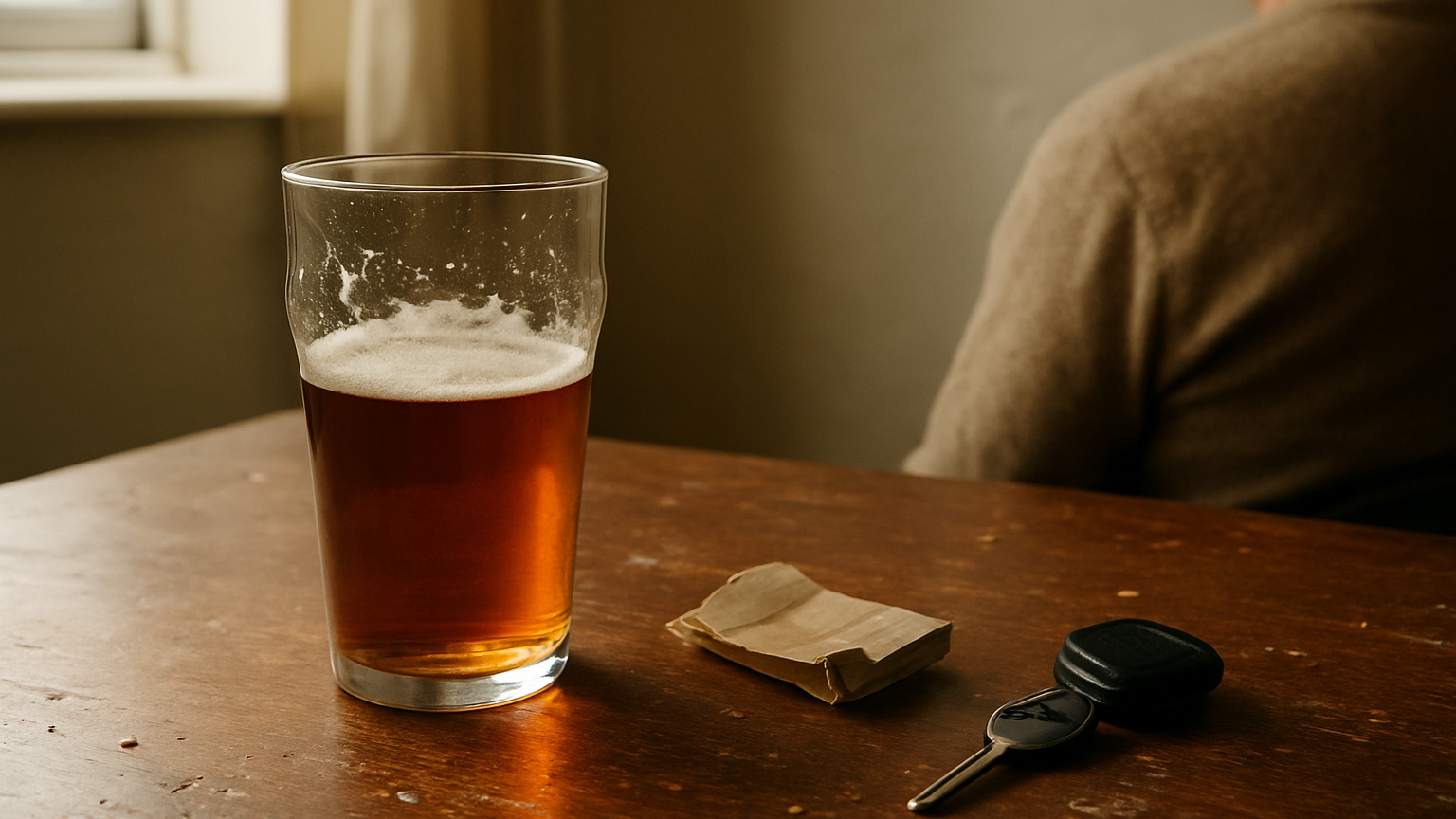
Alcohol does not make people want different things. What it does is narrow attention to whatever is immediately in front of you, so cues that are present and rewarding become louder while considerations that are abstract and future-focused become quieter. A condom in another room is abstract. The person in front of you is not.
What does the research suggest?
The dominant explanation is that alcohol impairs the ability to process competing information rather than removing inhibition as such. Someone with a strong, well-rehearsed intention often carries it through. Someone whose intention requires weighing a distant consequence against an immediate reward generally does not. This is why the same person can be consistent for months and then not.
Where does it actually bite?
In the practical details more than in grand decisions. Condoms put on partway through, or not at all because none were within reach. Not enough lubricant, which causes breakage. Missing a PrEP dose, or forgetting that event-based dosing needs the double dose two hours beforehand. Roles changing from what was intended. Doses of anything else being repeated because the first was forgotten.
What about consent?
Someone who is very drunk cannot consent, and continuing with someone in that state is a serious matter regardless of what was said earlier in the evening. If you are the one who was too drunk to agree to what happened, that is not something you brought on yourself, and sexual health clinics and sexual assault referral centres will treat it accordingly. PEP is available within seventy-two hours without any requirement to involve the police.
What about physical risk?
Alcohol dulls pain, which is the signal that stops injury. Anal tears and fissures are more likely during a session where pain was not registering, and they take weeks to heal. Combined with drugs that blunt sensation further, this is where the serious injuries occur.
How do you plan around it?
Make the safe option the easy one, since willpower is what degrades first. Carry condoms and lubricant so nothing depends on finding them. Take the PrEP dose before going out rather than intending to later. Decide beforehand what you are doing and tell someone. These work because they move the decision to a point where you were capable of making it well.
Does PrEP change the calculation?
Substantially, and this is one of its underrated benefits. A prevention method that works whether or not you remember anything during the evening is far better suited to real nights out than one that requires a decision at the point of sex. Daily dosing suits this better than event-based, since it does not depend on anticipating what is going to happen.
Is drinking less realistic advice?
For some people and not others, and telling everyone to drink less tends to be ignored. What is more useful is noticing your own pattern: if the encounters you later regret cluster around a particular number of drinks or a particular venue, that is information worth having rather than a moral failing.
Does it affect the receptive partner differently?
Somewhat. Reduced pain sensation matters more for the person being penetrated, since pain is the signal that prevents tearing, and injuries sustained while drunk are a recognised pattern. Going more slowly and using considerably more lubricant compensates partially, though neither restores the warning system.
When is it worth raising with someone?
If drinking is regularly leading to sex you would not otherwise have had, injuries, blackouts or missed doses, that is worth mentioning at a sexual health appointment. Clinics deal with this constantly, can refer to support that does not require you to stop entirely, and will not lecture you.
Does it interact with medication?
Not dangerously with PrEP or with modern HIV treatment, and not with doxycycline. The practical issues are missed doses, vomiting shortly after taking something, and dehydration. If you vomit within an hour of a dose, take another.
What about combining it with other drugs?
This is where the danger sits. Alcohol compounds sedatives badly, and GHB with alcohol is the combination most associated with serious harm, because both suppress breathing and the margin is already narrow. If GHB is involved, alcohol should not be.