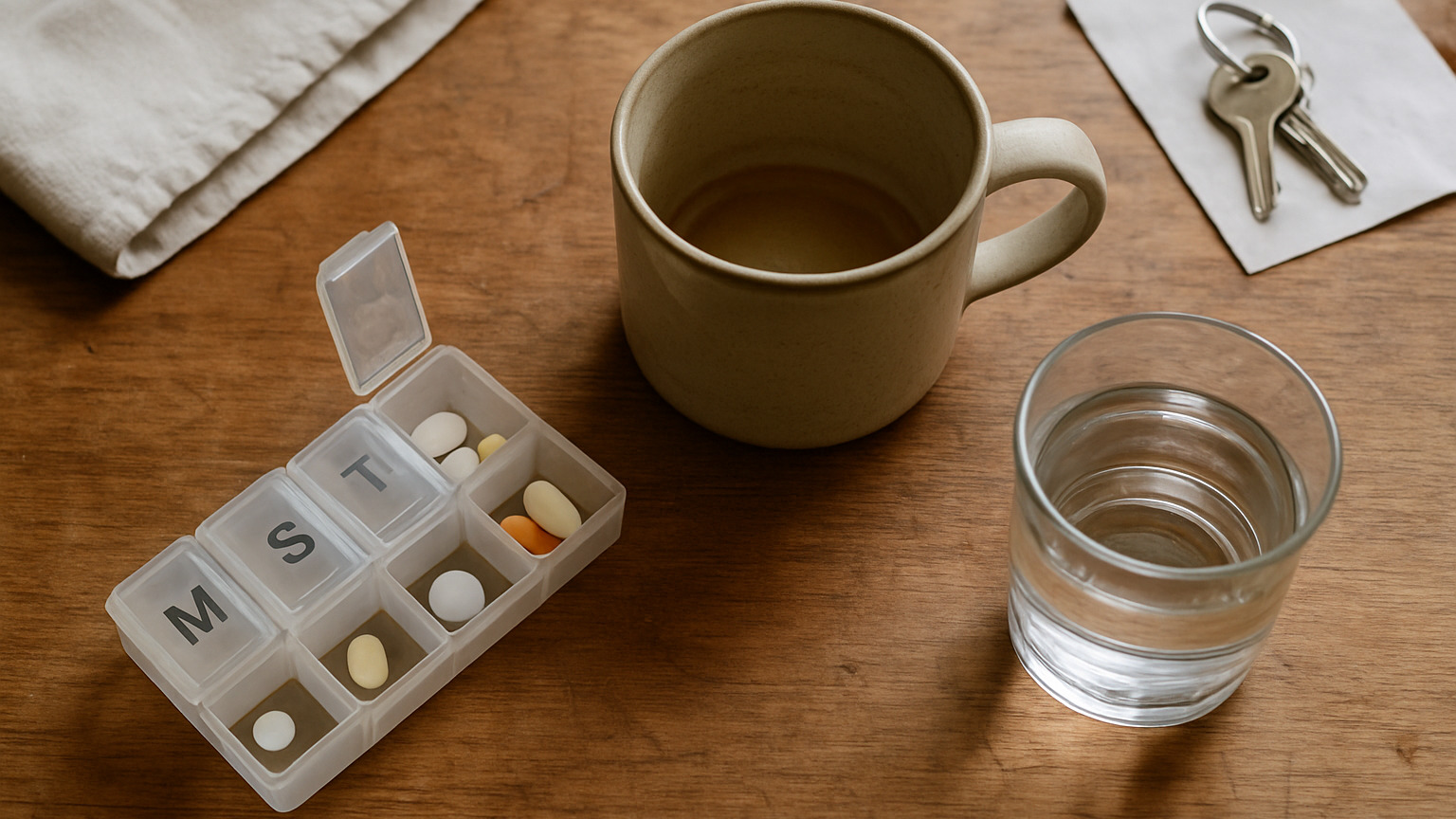
Tenofovir disoproxil, the main component of PrEP in the UK, is cleared by the kidneys and can cause a small decline in kidney function in a minority of people. In most cases the change is slight, produces no symptoms, and reverses after stopping. The routine blood tests built into PrEP care exist specifically to identify it early.
How is it monitored?
A blood test measuring creatinine, from which an estimated glomerular filtration rate is calculated. This is done before starting and then periodically, more often in people with risk factors and less often in younger people with normal results and no other concerns. Some services check at three months and then annually; others check more frequently. Ask what your clinic's schedule is rather than assuming.
What do the numbers mean?
An estimated filtration rate above ninety is normal and between sixty and ninety is common and often unremarkable, particularly with age. Tenofovir disoproxil is generally not started below sixty, and a fall below that threshold on PrEP usually prompts stopping or switching. A single reading is rarely acted on alone, since the measurement fluctuates with hydration, recent exercise, muscle mass and diet, and a repeat is usually taken before any decision.
Who is at higher risk?
People over forty, those with existing kidney disease, diabetes or high blood pressure, and people taking other medications that affect the kidneys. Regular use of non-steroidal anti-inflammatories such as ibuprofen, naproxen or diclofenac is the most common contributor people do not mention, partly because they are bought over the counter and do not feel like medication. Mention them at reviews.
Does it cause symptoms?
Usually not, which is the reason for testing rather than waiting. Rarely, a specific effect on the kidney tubules produces excessive urination, thirst, muscle weakness or bone pain, and that needs prompt attention. Any significant reduction in how much you are passing, or swelling of the ankles and face, warrants a same-week appointment.
Is the effect reversible?
In most cases yes, with function recovering after stopping. This is why identifying a decline early matters: a small change caught on a routine test and acted on is a different situation from years of unmonitored use. It is also the main practical argument against buying PrEP online and taking it without any monitoring.
Is there an alternative?
A newer tenofovir formulation has less kidney and bone effect and is used in HIV treatment, but it is not routinely commissioned for PrEP in the UK. In specific circumstances a clinic may consider alternatives, and this is worth discussing if you cannot continue with the standard combination for renal reasons.
What should you do?
Attend the blood tests even when you feel fine, since the whole point is that it produces no symptoms. Keep hydrated, particularly around the test itself. Mention every medication and supplement you take, including anything bought over the counter. If you use anti-inflammatories regularly, ask whether an alternative would suit you better.
Putting it in context
Kidney effects are the main reason PrEP involves appointments rather than simply tablets, and they are the reason the monitoring is worth keeping to. For most people they never become relevant.