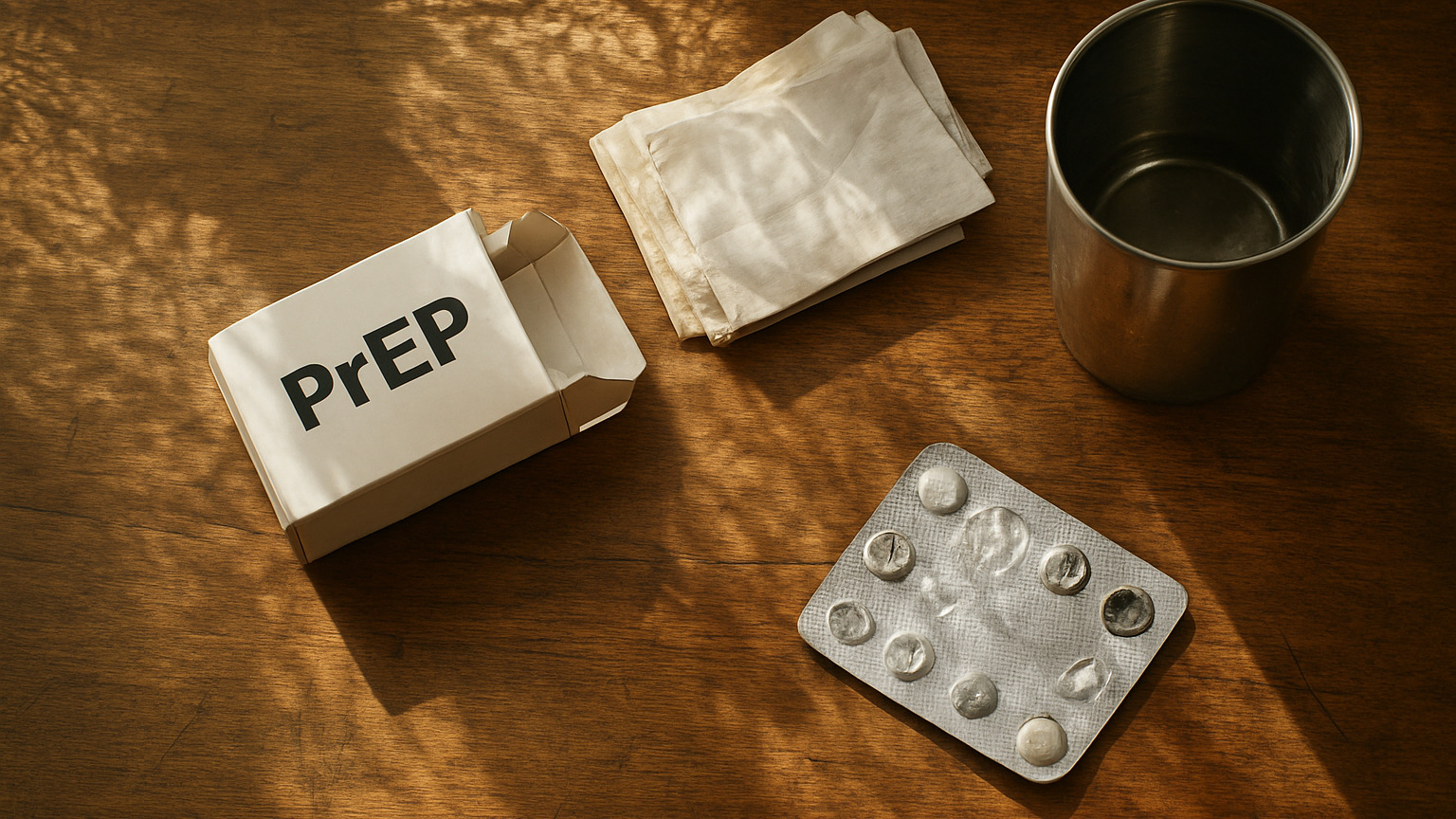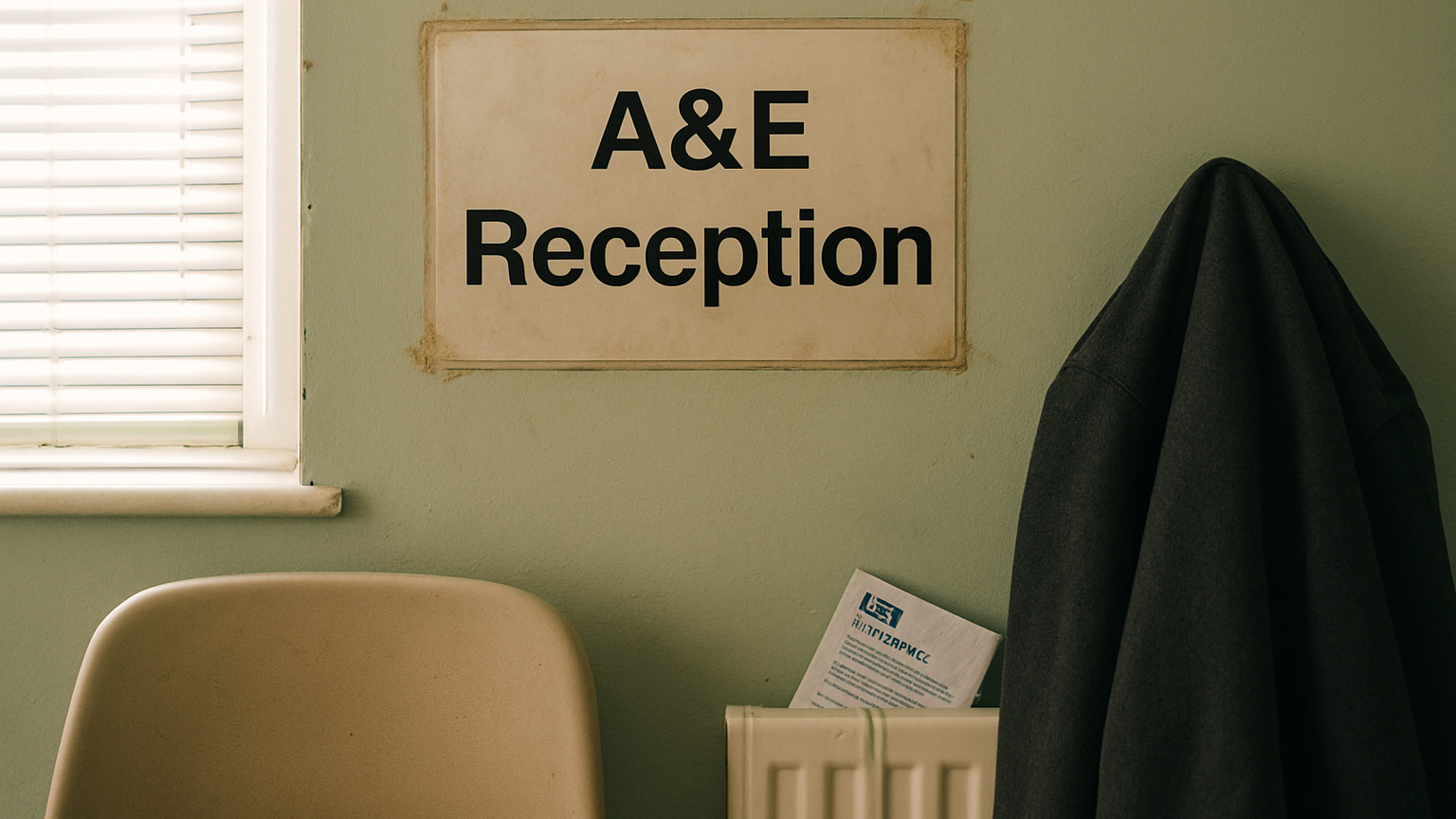
Sexual health clinics provide PEP during opening hours, which leaves evenings, nights, weekends and bank holidays. Accident and emergency departments provide it at any hour, free, and this is the route most people end up using because exposures rarely happen on a Tuesday morning.
What should you say at reception?
Say that you need post-exposure prophylaxis for HIV, that the exposure was at a specific time, and that there is a seventy-two hour limit. Using the full phrase matters, because PEP alone is sometimes misheard and reception staff do not necessarily work in this area. Stating the deadline explicitly is what moves you up a triage list that otherwise sorts by clinical severity, and someone who feels physically well will not be prioritised without that context.
What if they seem unfamiliar with it?
Ask politely for the on-call medical team or the department's HIV or sexual health guidance, both of which every A&E has access to. Some departments hold a starter pack of a few days of medication and refer you to a sexual health clinic to collect the rest, which is entirely normal rather than being fobbed off. If you are told to come back in the morning and you are close to the seventy-two hour limit, say so directly.
What will they need to know?
What happened, when precisely, whether you were the receptive or insertive partner, whether a condom was used or failed, what you know about the other person including whether they are on HIV treatment, and whether you take PrEP. A baseline HIV test is done before starting, along with kidney and liver function and hepatitis B status.
How long will it take?
Emergency departments are busy and a wait of several hours is common. Bring a charger and something to do, and do not leave without being seen, because leaving is the outcome that costs you the window entirely. If the wait is long and the clock is running out, tell the triage nurse how many hours have elapsed since the exposure.
What about NHS 111?
A reasonable first call if you are unsure where your nearest option is, and they can direct you to a service that will provide it. Do not use it as a substitute for going somewhere, since PEP cannot be arranged over the phone.
What about walk-in centres and pharmacies?
Urgent treatment centres vary in whether they stock PEP, and many do not. Pharmacies cannot supply it. If in doubt, go to an emergency department rather than trying a series of smaller services and losing hours.
What if you are away from home?
Any A&E or sexual health clinic in the UK will see you regardless of where you live or whether you are registered anywhere. Sexual health services are open access and PEP is free to everyone. If you are abroad, availability varies enormously by country, and your travel insurer or a local emergency department is the place to start.
What happens afterwards?
You will be referred to a sexual health clinic to complete the course, have follow-up testing and discuss what comes next. Attend that appointment, because the remainder of the twenty-eight days, the follow-up HIV tests and the conversation about PrEP all happen there rather than in the emergency department.
The single most useful thing to remember
Go now rather than in the morning, and say post-exposure prophylaxis with the number of hours since the exposure. Those two things determine most of how the night goes.