Finishing the twenty-eight days is not the end of the process. Two follow-up HIV tests are needed, along with screening for everything else the exposure may have carried, and the second of those tests is the one people most often fail to attend.
Why two tests?
Because antiretroviral medication can suppress viral replication enough to delay both antigen and antibody appearance. A negative test at the end of the course is encouraging but not conclusive, since the drugs may simply have postponed seroconversion rather than prevented infection. UK practice is therefore to test at the end of the twenty-eight days and again at least four to six weeks after finishing, and it is that later test which settles the question.
What if the first test is negative?
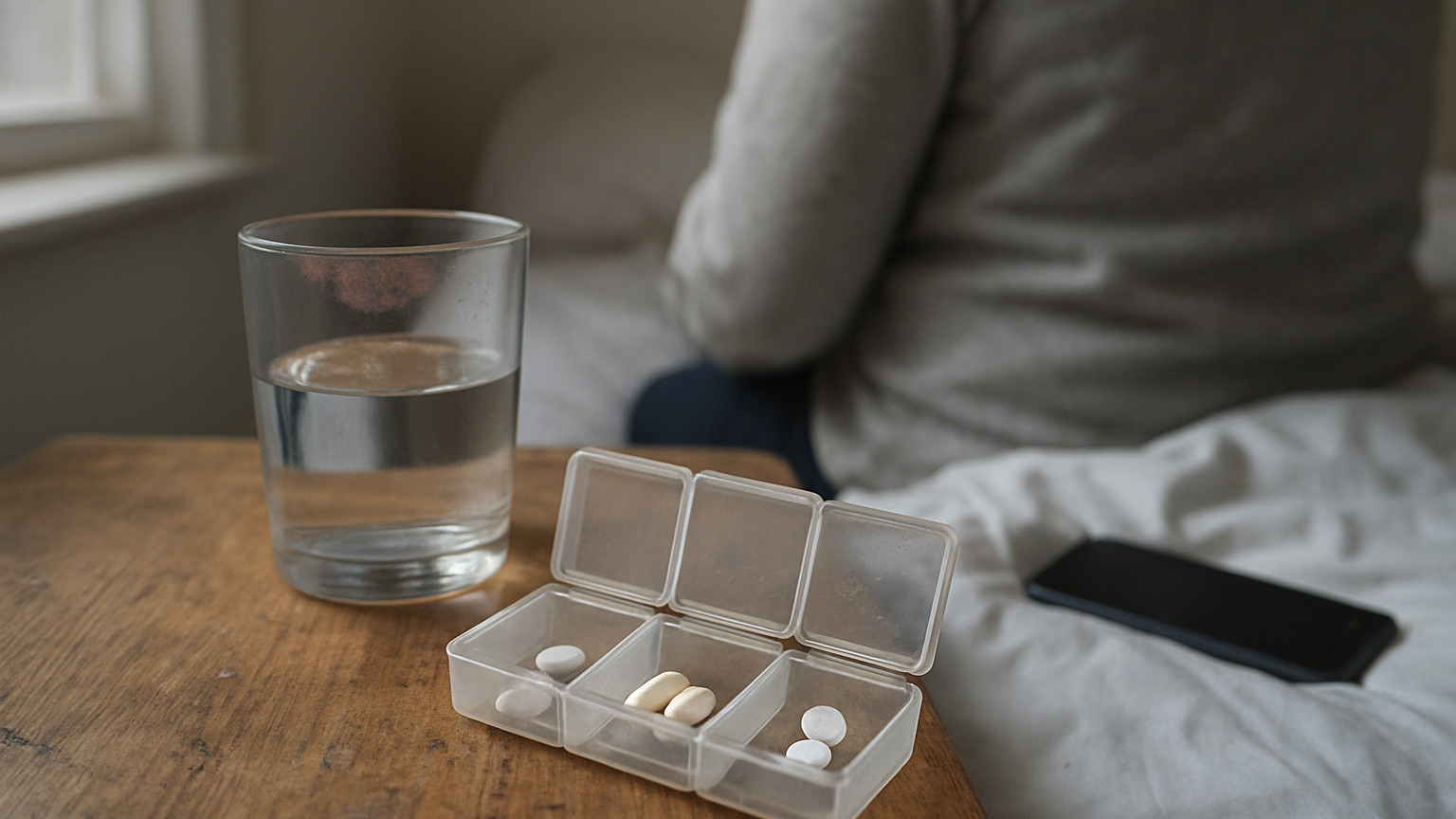
Good, and still not final. This is the point at which a great many people stop attending, having received the answer they wanted. Put the second appointment in your phone at the time you finish the course rather than trusting yourself to remember it once the anxiety has faded.
What else should be tested?
A full sexual health screen, since the exposure that prompted PEP carried other risks too. Chlamydia and gonorrhoea from every site you use, syphilis, and hepatitis B and C where relevant. The intervals differ: bacterial infections are detectable at two weeks, syphilis at twelve, hepatitis at twelve. If the screen was done at the start of the course it will need repeating, because it was taken before those windows had passed.
What about hepatitis B?
The drugs used in PEP suppress hepatitis B as well as HIV, so stopping after twenty-eight days can allow it to rebound in someone with chronic infection. Baseline testing at the start should have identified this, and anyone in that position needs monitoring after finishing rather than simply stopping. If you were not immune, vaccination should have been started, and completing that course matters.
What should you avoid in the meantime?
Condomless sex until the follow-up testing is complete. If the exposure did result in infection, viral load during acute HIV is extremely high, making this the period when onward transmission is most likely. This is the strongest practical reason to wait rather than a cautious default.
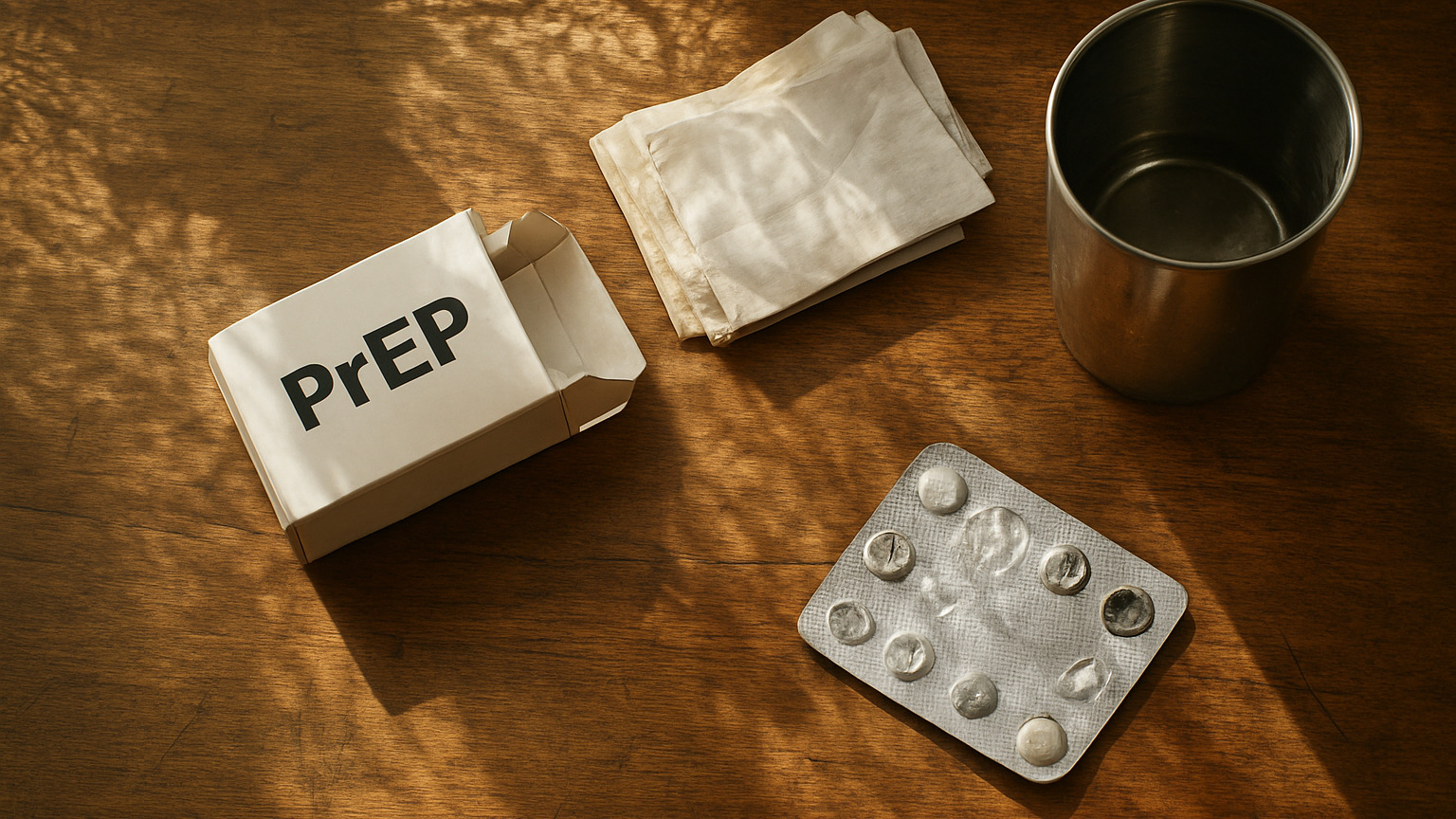
What about starting PrEP?
The end of a PEP course is the natural moment. Needing PEP once suggests the circumstances may recur, and PrEP is a considerably better position than repeating this process. Because you have just completed a course of antiretrovirals, transitioning is straightforward and your clinic can do it without much additional testing. Ask about it before you leave rather than waiting to be offered it.
What if you develop symptoms?
Fever, sore throat, a non-itchy rash on the trunk, swollen glands and profound tiredness in the weeks after finishing warrant contacting the clinic promptly rather than waiting for the scheduled test. These are the features of acute HIV infection, and while they are far more often something else, they are worth acting on given the history.
How do you deal with the wait?
It is uncomfortable, and repeatedly checking your body for symptoms tends to generate sensations rather than information. If the anxiety is dominating, say so at the follow-up appointment. Clinics have health advisers whose job includes exactly this, and talking to one is more useful than most people expect.