Sex toys transmit infections when shared, and the single factor that determines how much of a problem this is turns out to be the material. Non-porous toys can be cleaned thoroughly. Porous ones cannot, no matter how much effort goes into it, because organisms sit inside the material rather than on its surface.
Which materials are non-porous?
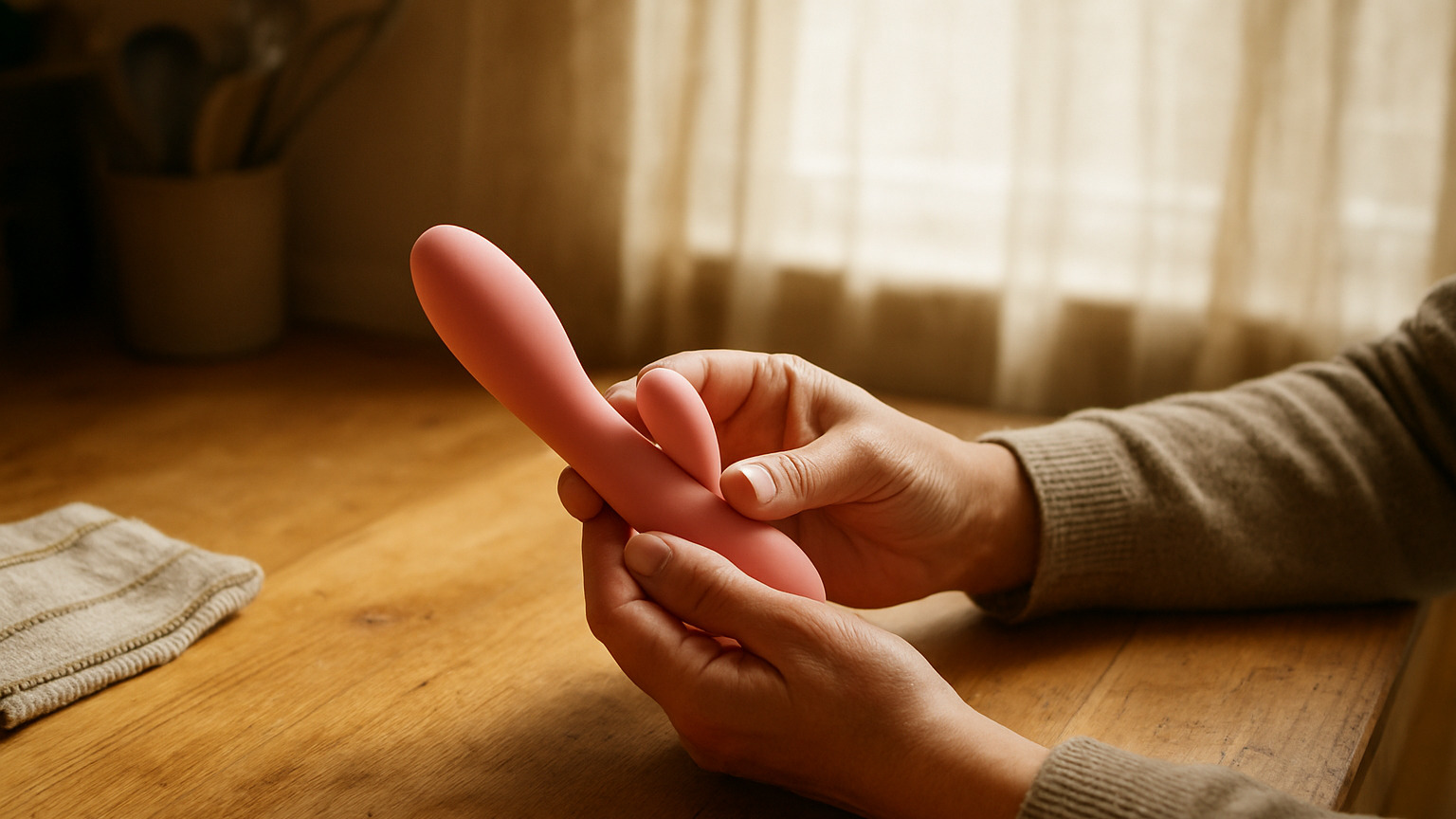
Medical-grade silicone, borosilicate glass, stainless steel and hard plastics such as ABS. These have a sealed surface, can be washed properly and, in the case of silicone, glass and steel, can be boiled or otherwise disinfected. If you buy one thing, buy silicone.
Which are porous?
Jelly rubber, PVC, TPE, TPR and anything soft, slightly tacky or with a strong chemical smell. These have microscopic pores that hold bacteria and viruses, and they cannot be reliably disinfected. Many cheap toys are made from them. They should not be shared between people at all without a condom, and they degrade over time.
How do you clean them?
Warm water and unperfumed soap immediately after use, paying attention to any ridges or seams, then rinse thoroughly and dry completely. Residual soap causes irritation, so the rinse matters as much as the wash. Dedicated toy cleaners exist and do the same job as soap. Do not use bleach, household disinfectants or alcohol on silicone, which degrades it.
What about deeper disinfection?
Solid silicone with no motor, glass and stainless steel can be boiled for a few minutes or put through a dishwasher on a hot cycle without detergent. Anything containing electronics cannot be submerged; wipe the body and wash any removable sleeve. Check the manufacturer's guidance, since some silicone blends tolerate boiling better than others.
How do you share safely?
Put a condom on the toy and change it between people. This works for both porous and non-porous toys and is the simplest approach in group settings, where washing between uses is not realistic. Use water-based lubricant with silicone toys, since silicone lubricant degrades the surface, and use whatever suits with glass or steel.
What about moving between orifices?
Change the condom or wash the toy when moving from anal use to anywhere else, since gut bacteria cause infections when introduced elsewhere. This is a general hygiene point rather than a sexually transmitted infection one, but it produces genuine problems.
Which infections actually transmit this way?
Gonorrhoea, chlamydia, herpes, HPV, trichomonas and hepatitis have all been documented as transmissible via shared toys, particularly when use is immediate and no cleaning occurs. Hepatitis C is a concern where there is any bleeding. The risk is lower than direct contact but it is real, and it is entirely avoidable with a condom.
How should you store them?
Clean, dry and separate. Silicone toys stored touching each other can react and degrade, so individual bags or cloth pouches are worth using. Store away from heat and direct sunlight. Inspect before use for cracks, tears or a tacky surface, all of which mean the toy should be replaced.
What about anal-specific safety?
Anything inserted anally needs a flared base, without exception. The rectum has no natural stop and objects without a base can travel beyond reach, which is a common and entirely avoidable emergency department attendance. If that does happen, go to A&E rather than trying to retrieve it, and expect no lecture; staff see it regularly.
How do you tell what a toy is made of?
Reputable manufacturers state the material. If it does not say, or if it is described vaguely as body-safe or jelly, assume it is porous. Silicone has a matte, slightly grippy feel and does not smell; porous materials are often shiny, tacky and have a chemical odour that persists after washing.
Should you replace older toys?
Porous ones, periodically, since they degrade and cannot be fully cleaned. Silicone, glass and steel last indefinitely unless damaged. Any toy with cracks, tears or a surface that has become sticky should be thrown away rather than cleaned harder.