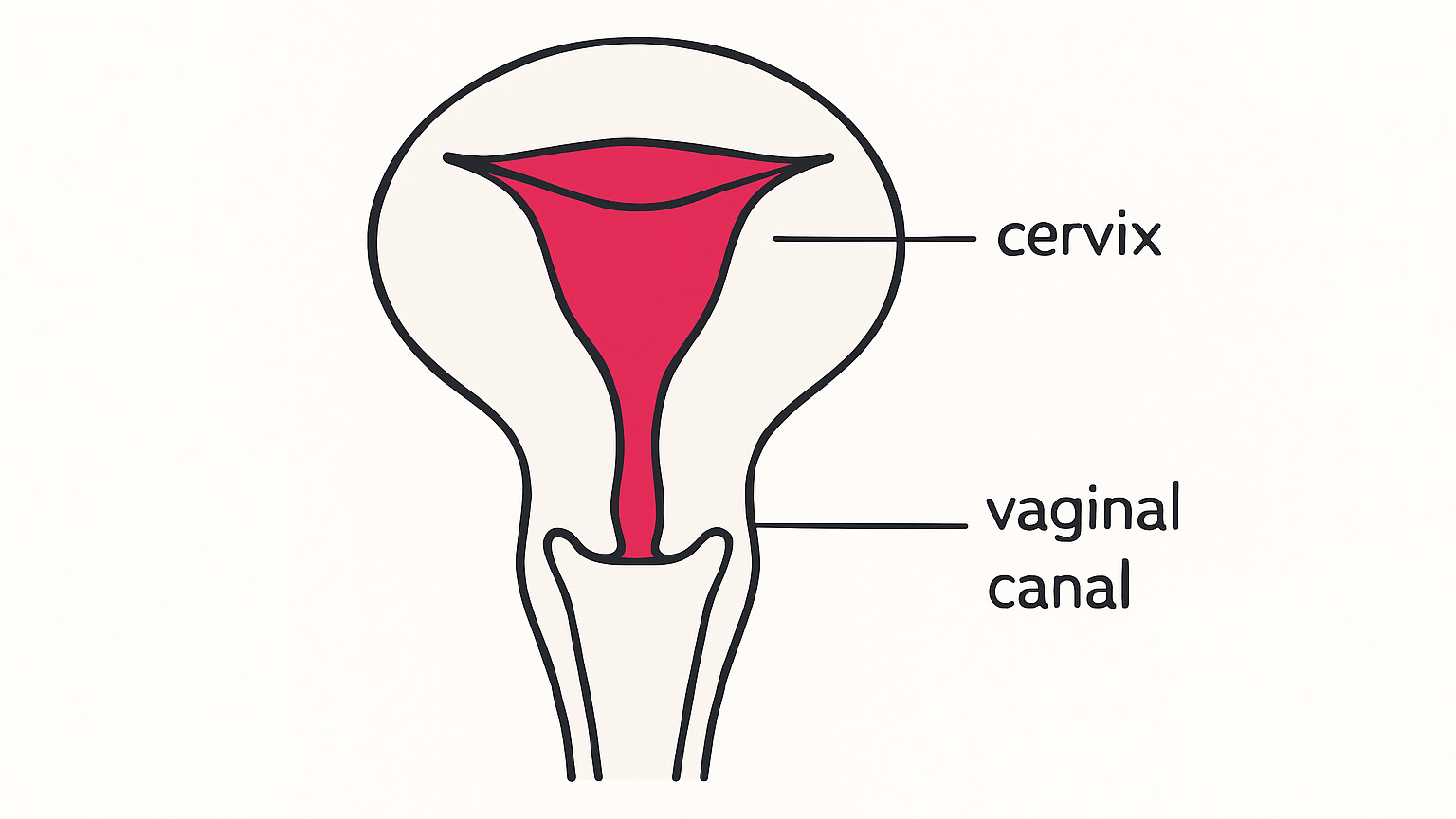
If you have a cervix, cervical screening applies to you regardless of how you are registered or how you live. The problem is administrative rather than clinical: the national programme invites people registered female, so anyone registered male drops out of the call and recall system entirely.
What does that mean in practice?
No invitation arrives, no reminder arrives, and nothing flags that you are overdue. Trans men registered male with a GP have to request screening themselves, and a great many never find out that they needed to. Screening rates in this group are substantially lower than in the general population as a result.
How do you arrange it?
Ask your GP practice directly and say that you have a cervix and are not on the call and recall list. Practices can add you to a manual recall system so it does not depend on you remembering each time. Some sexual health services and specialist trans services also offer it, and cliniQ in London is one example.
Who does not need it?
Anyone who has had a total hysterectomy with the cervix removed. If you have had a hysterectomy, check whether the cervix was taken, since a subtotal procedure leaves it in place and screening continues to apply. Phalloplasty or metoidioplasty alone does not remove the cervix.
What is it actually testing for?
High-risk HPV, which causes almost all cervical cancer. Where HPV is found, the same sample is examined for cell changes. Finding and treating those changes before they become cancer is the entire purpose of the programme, and it works.
Does HPV vaccination replace it?
No. Vaccination covers the types responsible for most cases and not all of them, and it does not clear an existing infection. Screening remains necessary for anyone with a cervix regardless of vaccination status.
Why do people avoid it?
Because the examination is invasive, because testosterone makes it physically uncomfortable, and because the whole encounter can be distressing. These are real reasons rather than excuses, and they are worth naming to the person doing it, because several things help.
What makes it easier?
Asking for a smaller speculum, which makes a substantial difference. A course of topical oestrogen for a few weeks beforehand, which improves the tissue considerably and does not affect masculinising treatment. Booking a double appointment. Bringing someone. Asking for a female or male clinician, whichever you prefer. Saying stop at any point.
What about self-sampling?
Self-collected HPV sampling is being introduced in parts of the UK and changes this picture substantially where it is available, since it removes the examination entirely for the first stage. Worth asking whether your area offers it.
How often?
The interval depends on your age and on where in the UK you are, and the programme is moving towards longer gaps between tests where HPV is not found. Your GP practice can tell you when you are due.
What if something is found?
Most abnormal results are minor cell changes rather than cancer, and most are managed with monitoring or a short outpatient procedure. Finding them early is the point, and the outcome is overwhelmingly good when they are.
What if you are registered female but not out to the practice?
Then invitations will arrive as normal, which some people find distressing to receive. You can ask the practice to change how they contact you without changing anything else about your registration.
Is it worth it?
Cervical cancer is among the most preventable cancers there is, and screening is why. The discomfort is real and short; the alternative is a condition found late that was entirely detectable early.