A substantial proportion of what people bring to sexual health clinics as a suspected infection turns out to be skin irritation from a product. Recognising the pattern saves a great deal of anxiety and usually resolves the problem faster than any treatment.
Lubricant residue
Silicone lubricant in particular is difficult to wash off and can leave skin feeling coated and, over time, irritated. Water-based products with high glycerin content draw water out of the skin and leave it dry and itchy. Rinse thoroughly with warm water afterwards, without soap, and pat dry.
Latex and additives
True latex allergy is uncommon and irritation from condom additives is not. Spermicide, particularly nonoxynol-9, damages mucosal tissue and should be avoided entirely. Flavourings, warming and tingling agents, and strong preservatives all cause reactions in some people. Trying a plain condom with a separate low osmolality lubricant resolves most of it.
Shaving and waxing
Ingrown hairs, folliculitis and razor burn appear in exactly the places people worry about, which is why they generate so many appointments. Shave in the direction of hair growth, use a clean sharp blade, avoid shaving immediately before sex when the skin is about to be subjected to friction, and leave a day or two between hair removal and a session.
How do you tell irritation from infection?
Irritation is usually diffuse rather than in one spot, appears across the area that was in contact with something, and improves when the product stops. Infection is more often localised, has a defined lesion such as an ulcer or blister, and does not improve on its own. A painful cluster of blisters, a single painless ulcer, or a firm deep lesion with a dimpled centre all warrant a clinic rather than a change of lubricant.
What about the anal area specifically?
Soap, shower gel and wet wipes are the three most common causes of persistent anal itching, and stopping all three for a fortnight resolves it more often than any cream. Water only, patted dry, is the version that works. Perfumed wipes in particular produce contact dermatitis with repeated use.
What should you not apply?
Steroid creams not prescribed for you, antiseptics, thrush treatments used speculatively, and anything sold for warts elsewhere on the body, which will burn genital skin. A plain barrier ointment is reasonable for sore skin at the anal margin; almost nothing else is.
What about sun sensitivity?
Worth knowing if you take doxycycline, whether as treatment or as doxy-PEP. It causes photosensitivity in some people, meaning skin burns more readily than usual. Sunscreen and caution matter more than usual during a course or on a sunny holiday.
What about marks from restraint or impact?
Bruising and friction marks from restraints settle over days. Check that anything used was not tight enough to affect circulation, and watch for numbness, tingling or coldness afterwards, which suggest nerve or circulation compression and warrant attention if they persist.
When should you get something looked at?
Anything that has not settled in a fortnight, anything that is spreading, any ulcer or blister, any lesion with a dimpled centre, or anything with fever or swollen glands. Photographs taken at its worst are genuinely useful if it improves before your appointment.
What about existing skin conditions?
Eczema and psoriasis both occur in the genital and anal area and both flare with friction, sweat and irritants. If you have either elsewhere on your body, that is worth mentioning at a clinic, since it changes what a rash is likely to be and what will help.
The general principle
Less is better. Most sore skin recovers faster when nothing is being put on it.
What about hair removal timing?
Leave a day or two between shaving or waxing and a session. Freshly removed hair leaves the skin raw and the follicles open, which is exactly when friction and contact cause the most trouble. Doing it the night before is the common mistake.
What about moisturising?
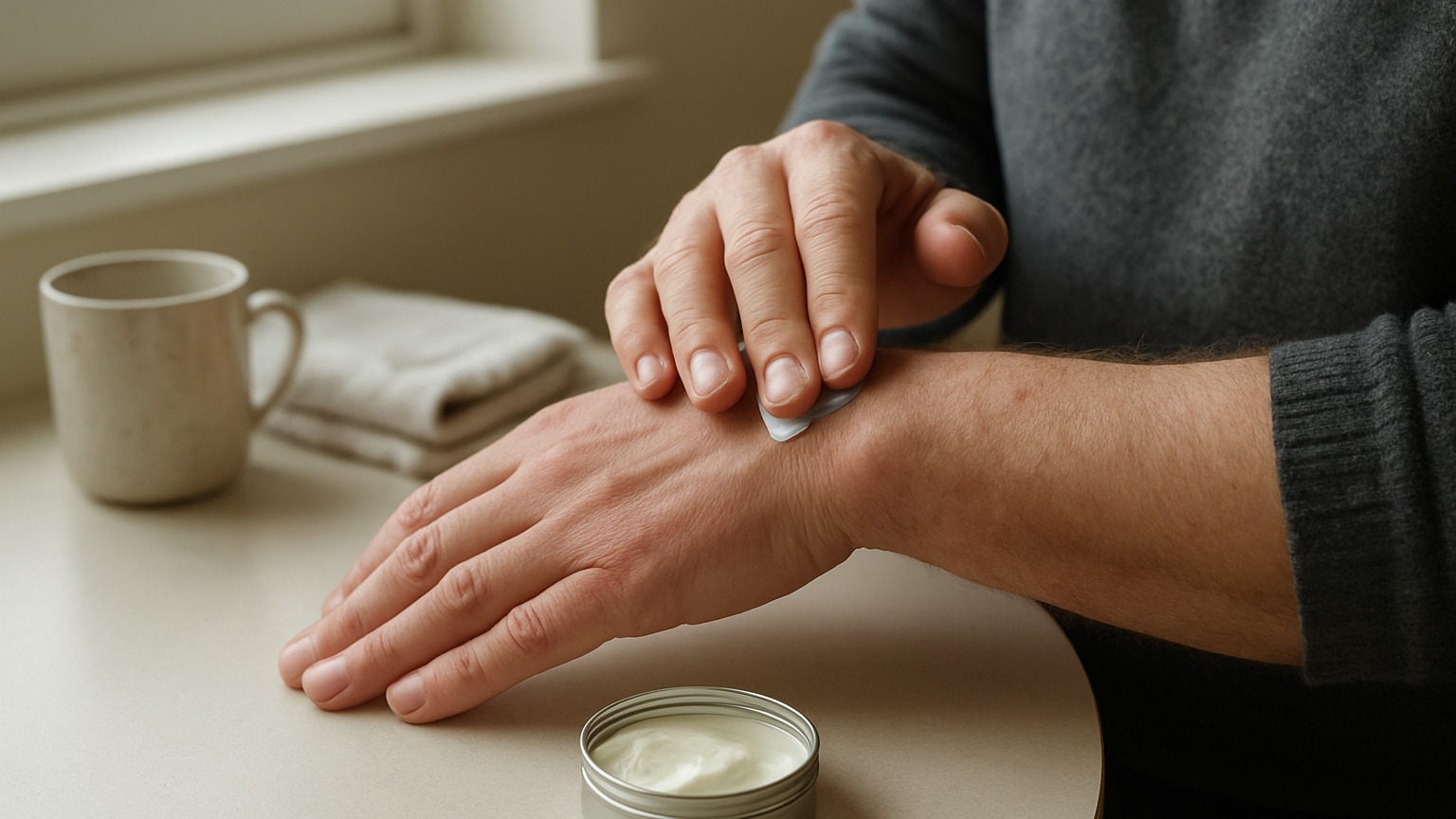
Plain unperfumed emollient on dry irritated skin is reasonable, and should be kept away from condoms if you use them, since oil-based products destroy latex and polyisoprene. Nothing perfumed, and nothing on broken skin or mucosal surfaces.